Gloucester is trying to get a Purple Flag. What will it mean for the city?

Reinvigorated over the past three years by the ATCM, there are now 70 Purple Flag towns and cities and the positive response both by place managers, local businesses and venues, and the public is testament to the difference that this great initiative can make.

Coming Soon: Purple Flag For Colleges & Universities

59d6df5b-atcm-purpleflag-bannerHow Does It Work?

By meeting or surpassing the standards of excellence in managing the evening and night time economy (ENTE), Place Managers throughout the UK and Ireland – and now being taken up internationally – are enjoying the benefits of Purple Flag status.

Those already accredited have reported positive feedback from local businesses, a clear message for improved communications and a platform from which to promote their night time economy.

The accreditation process takes towns and cities through a comprehensive set of standards, management processes and good practice examples all designed to help transform the ENTE and provide a research, training and development programme.

Why should you apply for Purple Flag?

Our research indicates that Purple Flag can bring real benefits which include:

  • A raised profile and an improved public image for the location
  • A wider patronage, increased expenditure
  • Lower crime and anti-social behaviour
  • A more successful mixed use economy in the longer term

As the governing body, ATCM has set out the core agenda at the heart of Purple Flag which represents the standards that must be achieved and maintained for a accreditation, which in turn will lead to a successful evening economy. These five core standards are outlined here.

  • The Policy Envelope: An after-hours policy that shows a clear strategy based on sound research, integrated public policy and a successful multi-sector partnership.
  • Wellbeing: Successful destinations are all safe and welcoming with all sectors playing their part in delivering high standards of customer care.
  • Movement: Getting home safely after an evening out is crucial, as is the ability to move around the centre on foot with ease.
  • Appeal: Successful destinations offer a vibrant choice of leisure and entertainment for a diversity of ages, groups, lifestyles and cultures.
  • Place: Successful areas are alive during the day, as well as in the evening. They contain a blend of overlapping activities that encourage people to mingle and enjoy the place. They reinforce the character and identity of the area as well as flair and imagination in urban design for the night.

If you believe your city or town has safe and vibrant night time economy, then you are encouraged to apply for Purple Flag accreditation. Local authorities, town centre partnerships, business improvement districts, crime and disorder reduction partnerships, Pubwatch partnerships, civic societies and others can all take part. In our experience it is the Local Authority or Police who take the lead in most cases.

59d6df5b-atcm-purpleflag-banner

TENDER FOR ALTERATION AND NEW WORKS TO FIRST FLOOR EASTGATE CENTRE GLOUCESTER

Picture2

Marketing Gloucester
on behalf of
UK Digital Retail Innovation Centre (UK:DRIC) 20.12.2017

TENDER FOR ALTERATION AND NEW WORKS TO FIRST FLOOR EASTGATE CENTRE GLOUCESTER

We are inviting interested contractors to apply for inclusion on the tender list for these works. Application does not guarantee inclusion on the list.
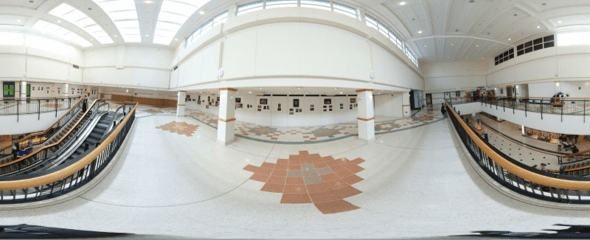
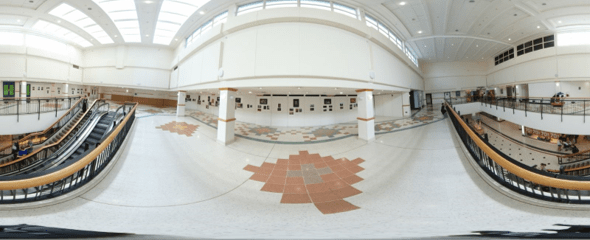
The works involves removals of walls and works to ceiling and floor finishes to the vacant retail and food hall and the creation of eleven small shop units, an open area and creation of back room offices.
A brief schedule of the works to be undertaken include: demolition of brick wall and erection of stud partitions, overhaul and repairs to existing suspended ceilings, new floor finishes and general redecoration. Open front to the units will be secured by open grid roller shutters. Alteration and adaption of existing sprinkler system, the electrical and mechanical systems and provision of new as necessary,
Estimated value of these works is £200,000.00 (two hundred thousand pounds) plus VAT where applicable.

Anticipated programme of project is shown in  appendix 1 available at this link>  click here
Application to be included for consideration by not later than 9th January 2018.
Invitation to tender 15th January 2018
Tender submission. 31st January 2018
Commencement of works 12th February 2018
Completion of the works 15th June 2018

Contractors interested in being considered for inclusion on the tender list should submit their details by not later than 5.00pm on 9th January 2018.
Company details should provide evidence of being conversant with this type of work including a list of projects undertaken with values, copies of last three years accounts, size of workforce including details of management team, work force numbers and breakdown into direct and self-employed and areas of work normally sublet.

Application should be made to:

Mr Jason I J Smith, CEO, Marketing Gloucester, 27 St Aldate Street, Gloucester, GL1 1RP to arrive not later than 5.00pm January 2018

For further information on UK:DRIC click here

UK’s first Digital Retail Innovation Centre to be opened in Gloucester

Gloucestershire’s Local Enterprise Partnership, GFirst LEP have announced a funding award of £400,000 to Marketing Gloucester to open a new national centre for digital retail innovation in the city.

The UK Digital Retail innovation Centre (UK:DRIC) will be the national centre for testing and developing disruptive digital innovations that will help shape and inform the future of cities with a special focus on retail.


The centre will be:

  • The national independent centre for technology solution providers and retailers to test innovative technologies and work in partnership to enhance and develop new and possibly disruptive solutions
  • A supportive incubator and catapult for high growth new retailers, all of whom will have access to next generation technologies and methodologies and will be targeted on rapid testing of their business model and growth
  • A centre for upskilling retailers in new and developing retail technologies and methodologies
  • UK:DRIC will be based on the first floor of the Eastgate Shopping Centre in Gloucester for an initial period of three years.

Diane Savory, Chair of GFirst LEP, commented “This is an exciting opportunity for Gloucestershire as it further demonstrates that our urban areas are proving to be leaders in the developing of innovation in digital retail solutions.  We are delighted to be able to award this funding to Marketing Gloucester and confident that it will lead to further inward investment from the private and public sectors.”

UKDRIC

The UK:DRIC promises to be a showcase and testbed for the latest retail technologies and could show off some future innovations such as holographic “virtual employees”, artificial intelligence, 3D scanning and printing of products, drone deliveries, robotic security guards, 360 virtual mirrors and near field communication.


Jason Smith, Chief Executive of Marketing Gloucester (whose team will be driving the project), said “This is a huge opportunity for Gloucester to progress in our ambition to be a showcase and testbed for digital technologies, developing the city of 2050 by 2025.  There are huge challenges facing the UK retail sector and the UK Digital Retail Innovation Centre has the potential to be a gamechanger which could have a national impact, we greatly appreciate the investment from GFirst LEP.”

Paul James, Leader of Gloucester City Council, explained why this new centre was so important for the city saying: “Gloucester is ideally positioned to be a pathfinder for the

development of new technologies, the past few years companies we have shown how innovative we as a city can be.  We were the first city to implement the three in one CCTV, Wifi and 4G solution, winning the prestigious Gordon McLanaghan Security Innovation Award; and have built up a wide range of partners such as Google’s Niantic Labs, #WDYT, Rewarding Visits and BT who have tested their technologies in the city.  There is huge potential for additional inward investment and additional jobs and this investment from GFirst LEP can act as a catalyst.”


The FACTS on Gloucester’s retail landscape since 2010 – 40% fewer empty shops!

In light of the recent article on Gloucestershire Live and some of the subsequent comments the following will be useful in setting the matters straight – demonstrating that the true story of Gloucester’s retail environment has been one of steady improvement and success over the last 7 years:

It is true that the city has gone through difficult times.  In 2010 the BBC reported on data issued by The Local Data company that stated that Gloucester had amongst the highest number of empty shops in the UK http://www.bbc.co.uk/news/uk-england-gloucestershire-11925423 . The city’s retail vacancy rate in 2010 was recorded at a high 21%.

Since then a lot has changed.  Millions of pounds have been invested in city regenertaion and a strategy was formulated and action taken to stimulate growth, with the city council high street initiatives providing funding and rate rebates to new businesses.  Funding has been put aside for grants to enable renovation of the city’s historic shops and investment continues to be made in Marketing Gloucester to help deliver footfall driving events and promote the city, something that has been highly effective with visitor numbers increasing by over 60% since 2013.

From 2010 to today there has been a 40% reduction in the number of empty shops

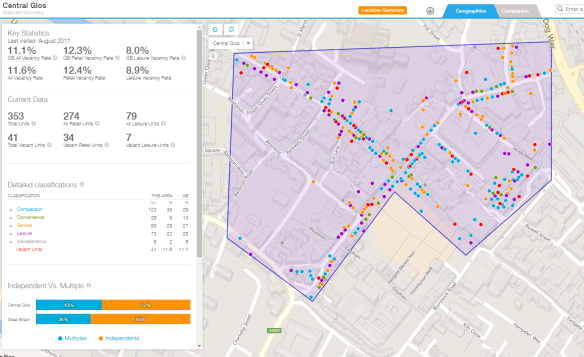
Today the retail vacancy rate for the whole city is 11.6% with Retail vacancy rate for the four Gate streets, Kings Square and the historic central Gloucester having fallen to 12.4% – this is almost exactly the same as the current national average for retail vacancy rates which is 12.3%.  By any measurement this is a success story.

Central Gloucester

Currently, Gloucester Quays, the Business Engagement team at Marketing Gloucester and the city council are receiving high levels of inquiries from national and local organisations who wish to follow the example of TK Maxx , Ted Baker and Cote Brasserie whose research has shown Gloucester as and ideal place to locate.   There has also been a crop of independent businesses starting up or expanding in the city.  There are many more ready to invest in the beautiful historic city.

The failing of Argos, BHS and a small Coop shop should not be seen as harbingers of doom for the city but are merely reflections of national retailers with failed models of operating or those seeking to change their operating practice.

The current successes though are likely to be nothing compared to those that are ahead in the bright future for the city.  There are currently massive regeneration projects going on around the city that will further stimulate growth. In 2016 Gloucester’s population overtook that of Cheltenham and is set to continue to rise, this  in itself will stimulate the retail sector further and lead to lower vacancies, as will the location of thousands of students to Gloucester by the University of Gloucester.

Yes the FACTS on Gloucester’s retail landscape since 2010 – show 40% fewer empty shops with plenty or reasons to believe that the improvement will continue.


Regards

Gloucester wins prestigious innovation award for Marketing Gloucester initiative led by Cllr Jennie Watkins

A trailblazing combination of three key elements will make Gloucester one of the best connected cities in the UK

​CCTV, wi-fi and enhanced mobile communications are all part of a pioneering project which was launched by BT and Gloucester City Council in 2015 driven through by Cllr Jennie Watkins based on recommendations by the team at Marketing Gloucester, who lead on the digital strategy for the city.

The development – the first of its kind in the UK – included the introduction of a free public wi-fi service for tourists and people living and working in Gloucester city centre. Laptops, tablets and mobile devices will all be able to connect to it.

There is also be a new state-of-the-art CCTV service and control room, and improved mobile phone coverage for 4G and other new services.

City is on the ball with pioneering project

City is on the ball with pioneering project
Paul Coles is BT regional manager for Gloucestershire and the South West.

Councillor Jennie Watkins is cabinet member for communities and neighbourhoods at Gloucester City Council.


Paul Coles says the project makes Gloucester one of the best connected cities in the UK.

He added: “It’s great to see Gloucester pioneering this approach. We hope to repeat it in other towns and cities.”

Installation of wireless access points and 50 new high-definition CCTV cameras has taken place across the city.

The new digital service  provides clearer images, enable security teams to zoom in on potential trouble spots, and gather evidence with high-quality images.

Councillor Jennie Watkins says the development is fantastic news for both locals and visitors to Gloucester – “Once it was evidenced to us by Marketing Gloucester that we could leverage the funding we had budgeted for CCTV to also provide a step change in WIFI and 4G digital infrastructure, it become obvious to me that we should seize the opportunity especially since it would allow us to pursue our goals for digital inclusion and to be a connected city.”

On the back of this innovative solution, Gloucester City Council scooped the prestigious Gordon McLanaghan Security Innovation Award at the MSC annual educational security seminar on Monday evening (14th November 2016) staged at the Bristol Hotel.  The independent chairman of the judging panel Professor Kamal Beckoum, the Head of School Computing and Technology at the University of Gloucester delivered the verdict of the judges at the formal dinner where he identified the multiple benefits the new Gloucester City Council CCTV system creates with a more secure environment (through higher quality CCTV) and a greater access to free public wifi along with improved 4G coverage

20161114 - Global MSC Bristol Hotel by Jon Craig @JonCraig_Photos 07778606070

The award was made by The Right Honourable Lord Mayor of Bristol, Councillor Jeff Lovell.

The photo shows (from L – R) Roger Hardiman (consultant), Amy Kedward (BCC Emergency Control Room Manager),Gill Ragon (Gloucester City Council), The Lord Mayor of Bristol, Jeff Lovell, Derek Maltby (MD – Global MSC Security), Andy Kilmurry, (Gloucester Police), Ed Pomfret (Gloucester City Council)

The council beat off stiff competition from Cumbria Police, the Metropolitan Police and North Somerset Council.

In addition to winning the prestigious Bristol Blue Glass Trophy, the winners were awarded a cheque to the value of £1,000.


https://www.btplc.com/BTToday/NewsList/Cityisontheballwithpioneeringproject/index.htm


Latest vacant property opportunities in Gloucester

Gloucester BID
Retailer Unit Building Shopping Area Street Number Street Town Postcode County Sub Category
Vacant Property R10 Gloucester Quays Factory Outlet Gloucester Quays Factory Outlet St. Ann Way Gloucester GL1 5SH Gloucestershire Restaurant – American
Vacant Property 66c Gloucester Quays Factory Outlet Gloucester Quays Factory Outlet St. Ann Way Gloucester GL1 5SH Gloucestershire Gift Shops
Vacant Property 99a Gloucester Quays Factory Outlet Gloucester Quays Factory Outlet St. Ann Way Gloucester GL1 5SF Gloucestershire Antique Dealers
Vacant Property Railway House Bruton Way Gloucester GL1 1DG Gloucestershire Shop – Unknown
Vacant Property Lister House Station Road Gloucester GL1 1EN Gloucestershire Hairpieces & Wigs
Vacant Property 1b St. Aldate Street Gloucester GL1 1RP Gloucestershire Recruitment Agencies
Vacant Property 5 St. Aldate Street Gloucester GL1 1RP Gloucestershire Fast Food Takeaway
Vacant Property 8 Wellington Street Gloucester GL1 1RA Gloucestershire Fast Food Takeaway
Vacant Property 3 Station Road Gloucester GL1 1EQ Gloucestershire Public Houses & Inns
Vacant Property Grosvenor House 8 Station Road Gloucester GL1 1SZ Gloucestershire Pawnbrokers
Vacant Property 1 St. Aldate Street Gloucester GL1 1RP Gloucestershire Bride & Groom Shops
Vacant Property Kings Walk Shopping Centre Kings Walk Shopping Centre 39 Clarence Street Gloucester GL1 1EA Gloucestershire Recruitment Agencies
Vacant Property 20-22 Eastgate Shopping Centre Eastgate Shopping Centre Bell Walk Gloucester GL1 1XH Gloucestershire Clothes – Men
Vacant Property Clarencegate House 57 Eastgate Street Gloucester GL1 1PN Gloucestershire Estate Agents
Vacant Property 84-86 Eastgate Street Gloucester GL1 1QN Gloucestershire Hearing Aids
Vacant Property Eastgate Street Gloucester GL1 1PU Gloucestershire Shop – Unknown
Vacant Property 15 Gloucester Quays Factory Outlet Gloucester Quays Factory Outlet St. Ann Way Gloucester GL1 5SH Gloucestershire Clothes – Men
Vacant Property 1 Gloucester Quays Factory Outlet Gloucester Quays Factory Outlet St. Ann Way Gloucester GL1 5SH Gloucestershire Clothes – Men
Vacant Property 79 Gloucester Quays Factory Outlet Gloucester Quays Factory Outlet St. Ann Way Gloucester GL1 5SF Gloucestershire Clothes – Women
Vacant Property 176 Southgate Street Gloucester GL1 2EX Gloucestershire Shop – Unknown
Vacant Property 115 Southgate Street Gloucester GL1 1UT Gloucestershire Hairdressers
Vacant Property 156a Southgate Street Gloucester GL1 2EX Gloucestershire Beds, Bedding & Blankets
Vacant Property 101 Southgate Street Gloucester GL1 1UR Gloucestershire Cafe & Tearoom
Vacant Property 99 Southgate Street Gloucester GL1 1UR Gloucestershire Shop – Unknown
Vacant Property 79 Southgate Street Gloucester GL1 1UB Gloucestershire Restaurant – Mexican/Tex Mex
Vacant Property 61-63 Southgate Street Gloucester GL1 1TX Gloucestershire Haberdashers
Vacant Property 8 Northgate Street Gloucester GL1 1SE Gloucestershire Mobile Phones
Vacant Property 51-51a Northgate Street Gloucester GL1 2AJ Gloucestershire Amusement Parks & Arcades
Vacant Property 7 Worcester Street Gloucester GL1 3AJ Gloucestershire Sewing Machines
Vacant Property 2 Hare Lane Gloucester GL1 2BB Gloucestershire Shop – Unknown
Vacant Property 95a-97 Northgate Street Gloucester GL1 2AA Gloucestershire Restaurant – Chinese
Vacant Property 95 Northgate Street Gloucester GL1 2AA Gloucestershire Estate Agents
Vacant Property 100 Northgate Street Gloucester GL1 1SL Gloucestershire Estate Agents
Vacant Property 106 Northgate Street Gloucester GL1 1SL Gloucestershire Tailors
Vacant Property Apsley House 2 Spa Road Gloucester GL1 1XA Gloucestershire Dentists
Vacant Property 16 Commercial Road Gloucester GL1 2EA Gloucestershire Dress Agencies
Vacant Property 16 The Oxebode Gloucester GL1 1RZ Gloucestershire Jewellers
Vacant Property 2a The Oxebode Gloucester GL1 1RZ Gloucestershire Hair & Beauty Salons
Vacant Property 17 St. Johns Lane Gloucester GL1 2AZ Gloucestershire Solicitors
Vacant Property 97 Westgate Street Gloucester GL1 2PG Gloucestershire Grocers
Vacant Property 88-90 Westgate Street Gloucester GL1 2NZ Gloucestershire Restaurant – Indian
Vacant Property 41 Westgate Street Gloucester GL1 2NW Gloucestershire Mobile Phones
Vacant Property 5 Park Road Gloucester GL1 1LH Gloucestershire Restaurant – Thai
Vacant Property 7 Park Road Gloucester GL1 1LH Gloucestershire Public Houses & Inns
Vacant Property 4 Brunswick Road Gloucester GL1 1HG Gloucestershire Shop – Unknown
Vacant Property Morroway House Whitfield Street Gloucester GL1 1NA Gloucestershire Solicitors
Vacant Property 4 St. Michaels Buildings Eastgate Street Gloucester GL1 1PD Gloucestershire Coffee Shops
Vacant Property 9 Westgate Street Gloucester GL1 2NW Gloucestershire Cheque Cashing
Vacant Property 17a Westgate Street Gloucester GL1 2NL Gloucestershire Shop – Unknown
Vacant Property 56 Westgate Street Gloucester GL1 2NF Gloucestershire Bars
Vacant Property 48 Westgate Street Gloucester GL1 2NF Gloucestershire Clothes – Women
Vacant Property Kings Walk Shopping Centre Kings Walk Shopping Centre 23a Kings Walk Gloucester GL1 1RX Gloucestershire Fashion Accessories
Vacant Property Eastgate Shopping Centre Eastgate Shopping Centre 2 Bell Walk Gloucester GL1 1XH Gloucestershire Cafe & Tearoom
Vacant Property 6 Lister House Station Road Gloucester GL1 1EQ Gloucestershire Convenience Stores
Vacant Property Eastgate Shopping Centre Eastgate Shopping Centre 10-11 Eastgate Street Gloucester GL1 1XH Gloucestershire Cafe & Tearoom
Vacant Property Eastgate Shopping Centre Eastgate Shopping Centre 7 Eastgate Street Gloucester GL1 1XH Gloucestershire Computers
Vacant Property Eastgate Shopping Centre Eastgate Shopping Centre 8 Eastgate Street Gloucester GL1 1XH Gloucestershire Film Developers
Vacant Property Eastgate Shopping Centre Eastgate Shopping Centre 9 Eastgate Street Gloucester GL1 1XH Gloucestershire Bakers Shops
Vacant Property Kings Walk Shopping Centre Kings Walk Shopping Centre 27-39 Eastgate Street Gloucester GL1 1YU Gloucestershire Department Stores
Vacant Property Kings Walk Shopping Centre Kings Walk Shopping Centre 24a-26 Kings Walk Gloucester GL1 1RW Gloucestershire Mobile Phones
Vacant Property Kings Walk Shopping Centre Kings Walk Shopping Centre 30 Kings Walk Gloucester GL1 1RW Gloucestershire Art Galleries & Fine Art Dealers
Vacant Property Kings Walk Shopping Centre Kings Walk Shopping Centre 2 Clarence Walk Gloucester GL1 1HD Gloucestershire Party Goods / Novelties
Vacant Property 112 Eastgate Street Gloucester GL1 1QT Gloucestershire Bars
Vacant Property 11 Northgate Street Gloucester GL1 2AN Gloucestershire Mobile Phones
Vacant Property 9 Worcester Street Gloucester GL1 3AJ Gloucestershire Gift Shops
Vacant Property 50 Northgate Street Gloucester GL1 1SQ Gloucestershire Charity Shops
Vacant Property 180 Southgate Street Gloucester GL1 2EZ Gloucestershire Motorbikes & Accessories
Vacant Property 76 Southgate Street Gloucester GL1 2DX Gloucestershire Card & Poster Shops
Vacant Property 20 Southgate Street Gloucester GL1 2DP Gloucestershire Health Clinics
Vacant Property 46 Westgate Street Gloucester GL1 2NF Gloucestershire Florists
Vacant Property 115 Westgate Street Gloucester GL1 2PG Gloucestershire Tour Operators
Vacant Property 93 Westgate Street Gloucester GL1 2PG Gloucestershire Fast Food Takeaway
Vacant Property 57 Westgate Street Gloucester GL1 2NW Gloucestershire Letting Agents
Vacant Property 47 Westgate Street Gloucester GL1 2NW Gloucestershire Clothes – Children
Vacant Property 31 Westgate Street Gloucester GL1 2NW Gloucestershire Cafe & Tearoom

Why Gloucester is becoming a pathfinder for UK and global companies testing Digital High Street and Smart City initiatives

Gloucester is rapidly developing an international reputation as a pathfinder for UK and global companies testing Digital High Street and smart city initiatives. So what’s leading to the spotlight being shone on this small city, nestled at the foot of the Cotswolds?

No one can deny that there is a wind of change blowing across the retail environment, with national trends in the UK  showing a steady decline in footfall for many of the country’s towns and cities.  Following hot on the movement towards out of town developments, the impact of Internet shopping through giants such as Amazon has left many traditional shopping areas struggling to fill voids and on a downward spiral of lower footfall.

Local and national governmental orgnisations around the world have recognised the challenge and are attempting to address this with reports such as those produced by Mary Portas.

However with every challenge there comes opportunity, and it is an opportunity that those involved with managing the city of Gloucester were determined to grasp and to do so in such a way as to put the small city at the forefront of the development of technologies that  potentially could have a transformative effect on how residents and visitors will use their town and city centres in the future.

In 2014, Marketing Gloucester, the place making organisation for the city of Gloucester set out its aims to make the city the go to place for technology providers looking to develop smart city and digital high street solutions.

Jason Smith, CEO of Marketing Gloucester told us: “Gloucester is ideally suited to solution providers test bedding new technologies.  It is a relatively compact city, with a representative demographic and a high degree of innovation and good digital infrastructure.  It is a city that confirms with many of the norm baselines and so can provide an excellent modelling opportunity. Most importantly there is a team of people here who have built up a huge group of partners, including the University, private sector, and the local authority, who are happy to speedily adopt innovative products. By working with a wide range of partners we are rapidly building the jigsaw that will lead to digital solutions to support town and city centres and produce a seamless journey which will lead consumers from online to bricks and mortar”

Innovations

Some of the innovations that have taken place in just a few years have included Gloucester becoming one of the first in the world and the first city in the UK to adopt a three in one integrated solution with CCTV over IP, Free high-speed WIFI across the whole city and 4G being installed simultaneously.  This model won the city a prestigious Gordon McLanaghan Security Innovation Award and has since been adopted by Cardiff, Glasgow, Nottingham, Leicester and Newcastle with others to follow.

Gloucester Councillor Jenny Watkins was instrumental in driving through the provision of this three in one solution and said “Once it was evidenced to us by Marketing Gloucester that we could leverage the funding we had budgeted for CCTV to also provide a step change in WIFI and 4G digital infrastructure, it become obvious to me that we should seize the opportunity especially since it would allow us to pursue our goals for digital inclusion and to be a connected city.”

10964523-large

BT’s Paul Coles and Cllr jennie Dallimore at the launch of the UK’s first 3 in 1 solution

A recent survey of the City centre wifi showed that over 10 million people had potential access to this annually with speeds regularly being reported of up to 136 mbps – which equates to faster download speeds than most people achieve at home or at their place of work.

So what else has been going on in Gloucester that is building its reputation as the place to testbed digital high street and smart city technolgies?

In 2015 Gloucester became the first destination outside of the UK to partner with Google’s Niantic Labs on the FieldTrip™ app, which allows virtual, location based tourism information through cell phone, tablet or Google Glass.  Whilst Google Glass may have come and gone, the relationship between Marketing Gloucester and Niantic labs has shown real dividends during the recent Pokemon Go™ craze.

Pokemon Go™ is also produced by Naintic Labs and since much of the location data for Pokestops and Gyms was based on existing information uploaded for Fieldtrip™ and Niantic’s app Ingress™, Gloucester has an especially rich environment for Pokemon Go™ players which has attracted players from around the region, boosting the local economy.  Needless to say Marketing Gloucester, were not shy in capitalising on this through social media, and by educating and encouraging retailers to promote their businesses near Pokestops and gyms and quickly trained retailers how to use the opportunities by purchasing and using Pokemon “Lures”.  Gloucester cafe owner Nick Brookes reported “it was incredible the number of people who came and sat down in the cafe once we started using the Lures”

Prof. Richard Cuthbertson of Said Business School, University of Oxford has been examining Gloucester’s example as part of  a European wide study, he has praised the city’s approach commenting:

“In our research of European cities with a positive focus towards digital technologies, especially those involving small retailers, Gloucester is an excellent example. This city recognises the need for a independent, third party enabler in Marketing Gloucester, providing a long-term, single point of contact, developing the relevant digital and physical infrastructure with multiple means of access for customers and retailers, while utilising simple tools, all within a strategy for “place” that encompasses the individual flavour provided by local retailers and services.”

c3k0p3rxuaaqoxa-2

Dr Richard Cuthberstson Said Business School, Prof Fabio Fulvio, of Italy’s retail organisation Confcommercio and Jason Smith CEO Marketing Gloucester

Two of the projects that are currently being implemented are those being developed by Rewarding Visits, which was granted £1 million from the UK Government, Innovate UK funding, and Maybe, a solution that is being delivered as part of the DCLG, Great British High Street Project.  Both of these are operating within the Digital high Street environment with the aim of encouraging purchasing to me made in bricks and mortar business rather than online.

Guy Chatburn, of Rewarding Visits, which won a £1 million Innovate UK grant to develop digital high street solutions comments “We chose Gloucester as the partner location for the third phase of the role out of our technology, primarily because alongside a great digital infrastructure, the city had a “can do” organisation like Marketing Gloucester that already had the trust of a wide range number of partners throughout the city which  it could rally together relatively easily in order to enable our project to happen.  They were especially good at helping us work with other organisations operating in complimentary areas such as Stagecoach and Trinity Mirror.  There was also a much lower learning curve as Gloucester has a team with a understanding of the tech and the issues facing towns and cities, and that has definitely lead to us having a much stronger offering in a shorter period of time”.

touchpoint-towns-malls

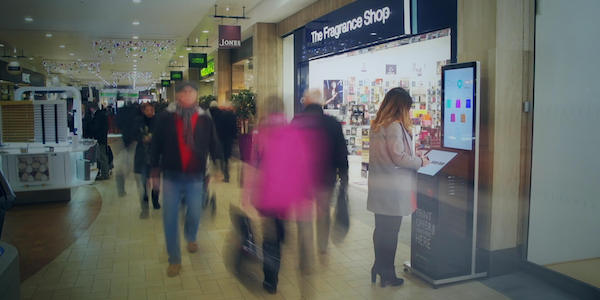
One of eleven Digital Touchpoint booths, part of the Rewarding Visits solution to be installed across Gloucester March 2017

Polly Barnfield OBE of “Maybe*” backed this up saying “Gloucester has proven to be the perfect place for us to test our digital high street solution #WDYT, and the help from Marketing Gloucester, GFirst Local Enterprise Partnership and Gloucester City Council was instrumental in enabling us to successfully roll out our pathfinder project across the other conurbations in the county and now futher across the country.”

Marketing Gloucester is part funded by Gloucester City Council with a board made up with movers and shakers in the private sector and chaired by the Leader of Gloucester City Council Paul James who is justifiably proud of the progress in realising the aims to make the city the go to place for technology providers looking to develop smart city and digital high street solutions. Councillor James is ambitious to build on the successes to date, commenting “The world is just at the beginning of the transformational opportunities presented by digital technologies and its great that Gloucester is being viewed as the ideal place to test these. In fact the city has a history of innovation in digital and high performance technologies, including being the home to Fasthost (UKreg owned by United Internet), Amazon’s Print on Demand service, Raytheon’s recently opened cyber security division, and Tidal Lagoon Power. We are open to working with those looking for a compact city to testbed their technologies”

Marketing Gloucester is also currently working with the Local Data Company (LDC) who with University of London are developing next generation footfall data collection and reporting,  combined with their current retail dashboard.  There are plans for Gloucester to have the highest number in the UK of LDC sensors generating data that will help retailers and place management teams intelligently model the city.

What next?

So what for the future?  Jason Smith says that he is keen to continue building relationships with technology solution providers to build the jigsaw that will deliver a unified digital, place-based, solution for bricks and mortar retailers, and he mentioned Facebook and IBM as being targets for partnership.  He enthusiastically responds when asked about the long term goals “this is all about letting tech companies know that Gloucester is the ideal place to test their technologies from the point of view of physical environment, infrastructure and partners already operating in the city.  This is a city where we present solutions not problems to businesses wanting to be involved and we welcome new partners”

It is clear that Gloucester has very ambitious plans to be a smart city, and from talking to those involved, it looks like they might achieve it.

Follow updates:

#digitalhighstreet @jasonijsmith

Extraordinary data showing huge growth in tourism in Gloucester

gloucester-tall-ships-1429542755-custom-0

Gloucester Tall Ships – one of the events driving tourism

Latest provisional data from independent research organisation The South West Research Company Ltd shows the extraordinary success Gloucester has had in attracting tourists to the city since 2013 with the Cathedral city overtaking Cheltenham in 2015.

Some of the highlights of the report include:

  •  Total visitor spend in Gloucester in 2015 exceeded £200 million a massive 68% increase from 2013
  • Over 4100 Jobs supported by tourism in Gloucester equivalent to 7% of total employment in the city with an additional 1,300 jobs created since 2013
  • A massive jump in day visitors to 3.1 million a year in 2015 from 2 million in 2013
  • 11% growth in hotel bookings over the period
  • Gloucester showing fastest growth in tourism for the whole county

Paul James, Chair of Marketing Gloucester “We can be immensely proud of how the hard work and investment put into developing Gloucester as a tourist destination is showing returns.  All areas are showing extraordinary results which beat both regional and national trends”


When asked if there were any indicators for the future, Jason Smith, Chief Executive of Marketing Gloucester responded “One thing the figures highlight is that with such high occupancy rates, it is a matter of urgency that we increase the number of Hotels within the city in order to not create barriers to growth”

Marketing Gloucester is an organisation that is owned by Gloucester City Council, with a board of Private sector directors, Chaired by leader of the city council, Councillor Paul James.  Along with being the tourism and marketing body for the city is also responsible for inward investment and events


Gloucestershire
2015
Cheltenham Gloucester Gloucestershire
UK trips 311,200 292,300 1,893,000
Overseas trips 45,100 42,800 258,000
Total trips 356,300 335,100 2,151,000
Comparison v 13 % -3 25 16
UK nights 688,000 626,000 4,504,000
Overseas nights 308,000 269,000 1,696,000
total nights 996,000 895,000 6,200,000
Comparison v 13 % -16 11 4
UK spend £51,246,000 £44,287,000 £314,225,000
Overseas spend £19,403,000 £17,005,000 £111,497,000
Total spend £70,649,000 £61,292,000 £425,722,000
Comparison v 13 % -8 5%
Tourism day visits 1,822,000 3,165,000 18,029,000
Comparison v 13 % -4 52 -3
Tourism day visit spend £75,798,000 £130,547,000 £625,385,000
Comparison v 13 % 10 75 8
Other visitor related spend £7,713,000 £8,459,000 £43,420,000
Comparison v 13
Total visitor related spend £154,160,000 £200,298,000 £1,094,527,000
Comparison v 13 % 6 68 16
Total business turnover £198,493,000 £254,715,000 £1,525,183,000
Comparison v 13 -1 55 28
GVA £112,290,000 £144,919,000 £859,316,000
Total GVA £11,632,000,000
Tourism as % of total 7%
Comparison v 13 % -0.6 35.7
Staying tourist supported employment
Direct FTE employment 915 802 5,443
Indirect &  induced FTE employment 480 423 3,751
Actual jobs 1,854 1,618 12,062
% of employment 3% 3% 4%
Comparison v 13 % -13 27 8
Day visitor supported employment
Direct FTE employment 735 1,233 6,168
Indirect &  induced FTE employment 340 582 3,984
Actual jobs 1,477 2,491 13,654
% of employment 3% 4% 4%
Comparison v 13 % 0 65 -4

A chance for #Gloucester! Ideas for a new vernacular architecture.

Developing a new vernacular for the city of Gloucester

For those involved in the regeneration of the Cathedral city of Gloucester there are few, if any who would deny that the city is “on the up”. Economic indicators show that this is a city that is growing at a region beating pace. As a city, Gloucester finally seems to have its ducks in a row regarding the pieces of regeneration that need to be undertaken to complete the incredible transformation that we can see significantly completed at the Quays and Docks. Money has been committed to the development of Blackfriars Quarter, Barbican and Quayside with a start date scheduled for the first ground clearance and the former Prison is ready to be developed. Money has been committed, assets purchased and architects appointed for the bus station in Kings Quarter. Development of an iconic multi-use venue located at Southgate moorings has been muted and if realised would fill the much maligned “missing link” between Gate streets and the redeveloped Quays.

GlooucesterCathedral

All of these are exciting projects behind which there is a head of steam, but maybe now – before we start sending in the excavators – is the time that we should pause and examine exactly what we want to see at these locations and what the city needs in order to fulfil the needs and aspirations of the current population and to overcome the barriers to growth for Gloucester becoming a “complete” city.

Although there can be much debate as to what type of development should be where – residential, hotels, leisure, cultural facilities and so-on the purpose of this article is not to consider the type of development but to discuss whether before we run headlong at our new regeneration projects we should not first try and establish how we want these to look.

Gloucester has been presented with a once in a life time opportunity to define the look and feel of the city. The major redevelopments will be positioned at points in the city where they will make a statement. The question we must ask ourselves is what do we want that statement to be?

My view is that it is now that we should be looking to develop guidelines for a new vernacular architecture for Gloucester – and one that directly speaks to the heart of the residents of the city and will continue to build on what makes this city unique. For too long major developments have been imposed on the city in a watered down homogenous form that at best pays lip service to place.

In developing this new vernacular architecture we need to answer two questions – what are we hoping to achieve by this and what will be its influences and points of reference.

By developing a new vernacular, planners, influencers and visionaries in Gloucester have a chance to help define what Gloucester is both to its citizens and to the wider world. By promoting this new vernacular in iconic keystone developments there is an opportunity to develop the sense of place and civic pride that is needed by every thriving city which aims to grow.

So what should the new vernacular reference? In many cities and towns this might seem a difficult question and possibly even in Gloucester where over the 2000 years of history there have been a wide range of architectural influences and materials. These include buildings constructed from the remains of the Roman and later Anglo-Saxon fortifications, fine timber framed buildings such as The New Inn and 26 Westgate, Regency, and red brick within the industrial dock areas and Victorian and Edwardian suburbs.

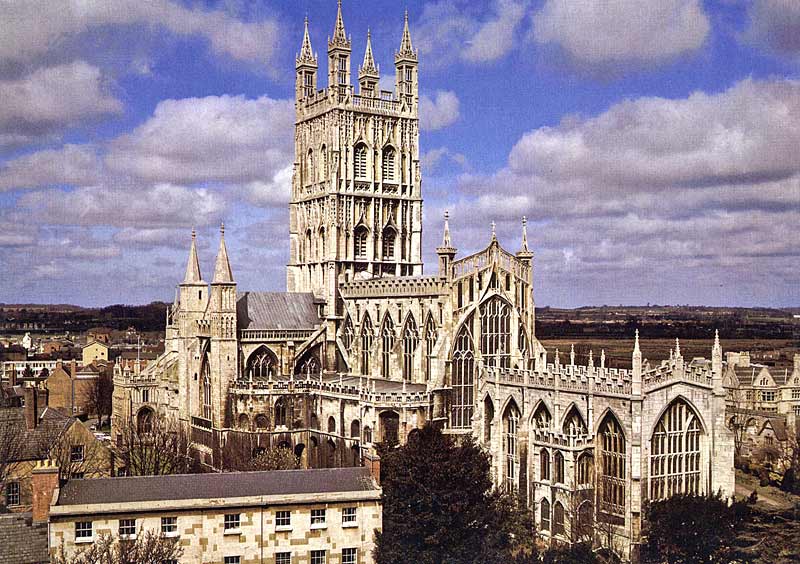
Yet alongside of all of these – none of which is peculiarly home grown – in Gloucester there is a piece of architecture that already is defined by and defines the city. This piece of architecture was created by local craftsmen using local materials and using locally developed new forms and techniques which were years ahead of their contemporaries. It is a building that has influenced many other significant buildings in the city’s history and worldwide. This building is the beautiful, iconic Abbey of St Peters otherwise known as Gloucester Cathedral.

This is the building that I believe should be the touchstone for developing the new vernacular for Gloucester. Without being recidivist we should be looking to develop an architectural pallet of materials and design themes that will enable visitors and locals alike to identify the new developments as being uniquely Gloucester. There are three, possibly four influences that I believe any architect seeking to produce civic architecture that truly references Gloucester should refer to. These are as follows.

  • Perpendicular Gothic[1]
  • Large glass windows subdivided geometrically
  • Limestone
  • Fan Vaulting

perpendicular-window

Imagine developments such as the new bus station, Kings Quarter and a beautiful iconic multi-use cultural center on Southgate moorings which whilst refraining from cliché nevertheless reference and reinterpret the soaring and elegant perpendicular gothic arch, large glass windows divided geometrically and reflecting and empahasising colour and utilised the warm cotswold colours the people of Gloucester identify with the building which defines the city. This is the opportunity.

The politicians and planners of Gloucester have the chance now to demonstrate a genuine vision for the city of Gloucester, one that is not a watered down, pastiched version of internationalist modernism but one born of Gloucester and one that will make the people of Gloucester prouder still of their home city. Any architect involved in this project should try to get under the skin of the identity of the city and its citizens and aim to present architectural that will truly inspire the next generations, following the spirit of those who design the Cathedral and aiming to design something that is not just of 2015 but buildings that will not date but will  have a timeless quality and still have relevance in 100 or 200 years.


[1] http://www.britainexpress.com/architecture/perpendicular.htm

Contemporary Architecture in Historic Urban Environments

Conservation image

A critical issue facing decision makers and conservation professionals is accommodating change to heritage places and adding new layers to the historic urban environment in ways that recognize, interpret, and sustain their heritage values. Over the last decade, a vigorous debate has ensued regarding the appropriateness of contemporary architectural insertions into historic urban areas. This debate has polarized sectors of the architectural community, pitting conservationists against planners and developers. It has positioned conservationists as antidevelopment and antiprogress, responsible for stifling the creativity of a new generation of architects and their right to contemporary architectural expression.

Change, however, is inevitable. Buildings, streetscapes, and urban areas evolve and change according to the needs of their inhabitants. Therefore, it is important to determine the role of contemporary architecture in contributing to this change in ways that conserve and celebrate the special character and quality of the historic environment that communities have recognized as important and wish to conserve for future generations.

Historic areas typically exhibit a range of heritage values, such as social, historical, and architectural. Frequently, they also have aesthetic significance; therefore, the design quality of new insertions in a historic area is important. One of the challenges in this debate on the role of contemporary architecture in historic contexts is that design quality can be seen as subjective. Assessing the impact of new development in a historic context has also been accused of being subjective. However, increasing development pressure has pushed governments and the conservation community to provide more objective guidance to secure what is termed “the three Cs,” namely:

  • certainty in the planning system about what constitutes appropriate development;
  • consistency in government decision making; and
  • communication and consultation between government decision makers and the development sector on creating successful outcomes.

Design professionals differentiate between taste and design quality. Taste is subjective, while quality is measurable. Prescriptive planning tools such as height restrictions, envelope limitations, and requirements to use certain materials all attempt to provide qualitative design measures. In many places, it is only when a historic building or area is involved that issues of design quality and character are included in the planning process through development or impact assessment. Clearly there is a need to provide guidance or establish well-understood standards to assess new development occurring within treasured streetscapes, neighborhoods, or historic landscapes, in order to meet the three Cs. Given that the debate is now occurring at a global scale, such standards need to achieve some level of consensus at an international level.

STARCHITECTURE IN THE HISTORIC CITY

Conservation image

The recent phenomenon of celebrity architecture—those landmark buildings described by Charles Jencks as “enigmatic signifiers”—has elevated the new architectural monument to the status of a great artwork and signals the emergence of those who have come to be known as starchitects.¹ City leaders, anxious to secure global status for their city in an increasingly competitive world, have turned to these international celebrity architects to create new iconic landmarks to put their city on the map. For example, Frank Gehry’s brief for the Guggenheim Museum (1993–97) was “to do for Bilbao what the Sydney Opera House did for Sydney.”²

Jencks, in his 2005 book The Iconic Building, contrasts the traditional monument with the celebrity building—which is driven by commercial needs and whose role it is to stimulate interest and investment in cities through its attention-grabbing, provocative design. “In the past,” he writes, “important public buildings, such as the cathedral and the city hall, expressed shared meaning and conveyed it through well-known conventions.”³ Such important public monuments may be museums, as is the case with the Guggenheim in Bilbao, but since the mid-1990s, the monumental approach has been extended to a wider range of private buildings, such as department stores, apartment buildings, and even additions to family homes. The acceptability or fashion for attention-grabbing buildings means that difference is applauded and is celebrated over contextualized design—the approach the preservation community generally advocates. Some of these buildings may be fabulous, but how many monuments does the urban environment need? What will it be like in the future when the buildings are all unrelated, each vying for attention and without the traditional hierarchy of monumentality that enables a reading of the urban landscape as it relates to function? Where does the iconic building fit within the already existing iconic urban fabric of the historic city?

Herein lies the conflict. Starchitecture clamors for attention to consciously create an identity for the aspiring global city. In the case of the historic city, such as those included on the World Heritage List, the city has already been recognized more often than not for its architectural, aesthetic, and historic character. Preservationists would argue that the historic city is already iconic, so new development that seeks to stand apart from it is likely to receive criticism from communities, many of which have worked hard to protect the historic area. Sometimes it is the homogeneity or unity of the architecture that is important; sometimes it is the combination of historic layers and parts that contributes to significance. Perhaps ironically, inevitably it is its local distinctiveness that is being celebrated through the international recognition World Heritage listing brings.

In the early 2000s, a number of World Heritage sites were nominated to the List of World Heritage in Danger, due to proposed, highly contemporary development deemed inappropriate because it potentially threatened the outstanding universal values of the nominated sites. The call by the World Heritage Committee (WHC) for action to address this issue resulted in a 2005 conference in Vienna entitled “World Heritage and Contemporary Architecture—Managing the Historic Urban Landscape.” The outcome of this meeting was the Vienna Memorandum,4 which proposes an integrated approach to the contemporary development of existing cities in a way that does not compromise their heritage significance. Since that time, the WHC has worked with its advisory bodies to address a number of related issues pertaining to the conservation and management of the historic urban landscape.5 Simultaneously, many local governments and heritage institutions have worked to develop guidance to gain a shared understanding of what constitutes appropriate development in the historic environment between owners, developers, and decision making bodies.6

CREATING TOMORROW’S HERITAGE

There are varying views on what constitutes appropriate new development within a historic context. Some argue that new insertions to the fabric of the historic urban environment should be in the style of the old. Historically, traditional settlements and cities like Ait Ben Haddou in Morocco or Zanzibar’s stone town have demonstrated a continuum of building traditions that exemplifies this approach. In the pre-modern era, redevelopment in commercial city centers, such as London’s Regent Street, followed a Beaux Arts approach, with grand town planning and architectural gestures. With the advent of Modernism, large-scale reconstruction, which architecturally broke with traditional architectural and planning forms, changed the face of many cities in the twentieth century. In recent times, in reaction to modern interventions, some architects have chosen to continue to design buildings in a more historical style while nevertheless utilizing modern materials and technologies. Others abhor historicism and argue that each generation should represent its own time. New layers should represent the ideas, technology, materials, and architectural language of each generation. Pastiche is a dirty word.

The historic environment can, in fact, accommodate a rich variety of interpretations and expressions. A vernacular or traditional response may be as valid as a more contemporary response. It is the quality of the relationship between old and new that is critical, not the architectural language per se. Issues such as scale, form, siting, materials, color, and detailing are important to consider when assessing the impact of a new development within a cherished historic town, city, or site. These criteria are examples of those typically considered when assessing the impact of new development in a historic context.7

Most successful new buildings designed in a valued historic context inevitably rely on an understanding of, and then response to, the special character and qualities of the context. As with any conservation work, understanding significance of the place is crucial. Also in common with most conservation work is that it is case specific. A city center with an architecturally unified city core may need a different approach than one that has a variety of architectural forms, scales, and expressions. In an urban settlement that continues to sustain traditional craft and building techniques and materials, it may be extremely important to promote the continuation of these practices.

An important starting point is the premise that the place has been identified by present and past generations to be important enough to warrant protection and be subject to the prevailing laws, regulations, and policies to secure its conservation and to manage change in such a way that its significance is conserved. The responsibility of designers is to ensure that their work contributes to and enriches rather than diminishes the built environment. Conservation principles can often lead to heightened levels of creativity. Many architects, initially frustrated by the seeming interference of the conservation practitioner, in the end will agree that the outcome has been enhanced through a rigorous, well-articulated process.

Conservation is a balance between preserving the special character, quality, and significance of the historic place and facilitating change in a way that sustains it into the future. Inevitably every decision and subsequent action is of its own time. The role of the conservation practitioner is to ensure that today’s decisions do not do irreparable damage. Successful designers recognize that working within the historic context is not a constraint but an opportunity— where the whole can be greater than the sum of the parts, and where a contemporary building can add a rich new layer and play a role in creating the heritage of the future.


1. Charles Jencks, The Iconic Building (New York: Rizzoli, 2005).
2. Jencks, Iconic Building, 12.
3. Jencks, Iconic Building, 7.
4. UNESCO World Heritage Centre, Vienna Memorandum on World Heritage and Contemporary Architecture— Managing the Historic Landscape (Vienna: UNESCO World Heritage Centre, 2005). 5. The World Heritage Center’s Historic Cities Program is engaged in developing a recommendation on the Historic Urban Landscape, including investigating the impact of contemporary architectural additions on historic urban environments. See http://www.whc.unesco.org/en/cities.
6. Examples include the United Kingdom’s Commission for Architecture and the Built Environment (CABE) and English Heritage, Building in Context: New Development in Historic Areas (2001), available online at http://webarchive.nationalarchives.gov.uk/20110118095356/ http://www.cabe.org.uk/publications/building-in-context. See also NSW Heritage Office and Royal Australian Institute of Architects (NSW Chapter), Design in Context: Guidelines for Infill Development in the Historic Environment (Sydney: NSW Heritage Office and RAIA NSW, 2005), available online at http://www.heritage.nsw.gov.au/docs/DesignInContext.pdf.
7. See, for example, NSW Heritage Office and Royal Australian Institute of Architects, Design in Context, which includes these as criteria.