Highlights of Budget 18th March 2015

Growth

In 2015 revised up to 2.5% from 2.4% in the autumn statement

The economy is forecast to grow 2.3% next year before reaching 2.4% in 2019

Inflation

Forecast at 0.2% this year and the next three years. Bank of England’s monetary policy committee mandate remains at 2%

Banks

A total of £5.3bn of extra taxes to come from the banking sector over five years as banks are stopped claiming relief on compensation claims and the bank levy – intended to bring in £2.5bn of revenue a year – to be increased to 0.21% to bring in extra £900m.

£13bn of mortgage loans still owned by the government from Northern Rock and Bradford & Bingley to be sold

Another £9bn of Lloyds Banking Group shares to be sold this year – to be used to sell down the national debt

RM: He says the money raised from the bank sale will be used to pay off national debt and not fund pre-election giveaways in a move that may disappoint Tories fighting marginal seats.

Debt

As a proportion of GDP, 80.4% in 2014/5, 80.2% in 2015/6 to reach 71.6% in 2019/20

RM: Osborne is now able to say his original target has been met of getting the national debt share falling by the end of the parliament – although it is still a year later than predicted in emergency budget in June 2010

Borrowing

£150bn at the start of this parliament. To be £90.2bn this year, £1bn lower than in the autumn statement

Surplus to reach £5bn. At the autumn statement the surplus was projected to be £23bn in 2019/20

RM: The massive fall in the surplus Osborne was predicting for 2018-19 means less opportunity for promised future hand-outs. It is an easing of his plans for austerity that may be designed to kill Labour’s argument that he was shrinking the state to size of 1930s.

Pensions

Lifetime allowance cut from £1.25m to £1m and index-linked from 2018

RM: This decision is a political trap for Ed Balls. Osborne poached the plan from Labour, which said it would be used to pay partly for the tuition fees cut.

Tax avoidance

Diverted profits tax to be introduced into legislation

RM: Labour has made tackling tax avoidance a major campaign issue. This appears to be an attempt to put the Conservatives on the same page when it comes to stopping multinationals shifting profits offshore. However, yet more claims of raising money through cracking down on tax avoidance may be met with scepticism as they rarely seem to raise as much as expected.

North Sea

To receive an extra £1.3bn through a number of measures, including cutting the petroleum revenue tax to 35% from 50% and cutting the supplementary charge to 20% from 30%, back-dated to January

Businesses

Abolish annual tax return

Abolish national insurance contribution for the self employed

Alcohol

1p off a pint of beer

2% cut in cider duty and whisky duty

Wine duty frozen

Petrol

Fuel duty frozen

Personal tax

Allowance raised to £10,800 (from £10,600) and to £11,000 the following year

Higher rate threshold raised above inflation rate

Savings

A personal allowance of £1,000, or £500 for higher rate tax payers (over £42,701), on interest received on savings

ISA freedom: £15,240 tax free allowance remains even if cash withdrawn

First time buyer ISA: £200 saved, government puts in £50

Localising Prosperity – by mainstreaming community economic development

 
Tactics for LEPs & business networks

The Government’s purpose for Local Enterprise Partnerships is to help ‘strengthen local economies’ and ‘facilitate local economic renewal’. EU funding requires economic activity to address social exclusion. Alongside this, many LEPs have chosen to seek inclusive growth and address areas of deprivation as valuable aims in their own right. The Localising Prosperity agenda provides ways of distinguishing growth that creates local, shared prosperity from growth that does not.

Localising prosperity is a way of multiplying the benefits where investment is available, but it also works where external investment is not available, by rebuilding the economy from within. It involves rethinking how we support our localities, redesign the networks and mechanisms which make up our local economies and rebuild an area’s economic and social capacity.

Tactics for LEPs & business networks to maximise local economic benefits

Elements to integrate into strategies, programmes and bids include:

– Involve locally-owned businesses, those demonstrating local commitment and those based in disadvantaged areas in decision-making such as LEP boards and Chambers.

– Understand the power of the ‘local multiplier’ & act on it: plug ‘leaks’ from the local economy, particularly deprived areas, so that more money circulates and multiplies locally.

– Prioritise the needs of SMEs in infrastructure, access to funding and skills. Commit to “SME-proof” decisions.

– Seek opportunities for worker buyouts or co-operatives so that more people are ‘owners’.

– Use consumer, industry and public demand creators such as the retrofitting agenda or procurement to develop local supply chains and product or service innovation.

– Prioritise ‘infrastructure’ businesses that link and generate local supply and demand – such as project developers, wholesale markets, processors. Seek structural opportunities for new businesses.

– Foster networks of innovation based within local institutions, businesses and communities.

– Consider local connectivity as well as global: the latter depends on the former.

– Ensure physical regeneration projects, enterprise zones and inward investment support local supply and demand chains, rather than undermining them.

– Reflect the need for locally-controlled and locally-responsive support services (finance, business support, planning, training)

– Maximise local resource use, including through industrial symbiosis, to increase efficiency.

Have we got the right emphasis?

The public cost per job is 80% higher for Foreign Direct Investment than for indigenous businesses
92% of movements from unemployment or non-participation in the private sector, are down to SMEs
2/3rds of the world economy is controlled by 500 companies accounting for only 1% of employment
In a study of 3,000 US counties, those with a larger density of small, locally owned businesses had greater per capita income growth between 2000 & 2007

Local economic development: some home truths

Interesting comments by Glen Athey below:

In local economic development the governance and structures will never be perfect. You need to deal with the bureaucracy that comes with public money and not hide from it. Plans and strategies are useful, until the action begins. And you need to focus to be effective, and have a team of professionals who understand both business and government, with top class communications and negotiation skills. In this article I’ve tried to encapsulate what’s often written between the lines, and hopefully dispel some of the misconceptions about local economic development in practice. The full article is available here.

The governance, structures and areas debate will roll on and on – best getting on with delivery and making a visible difference

The structures and governance will never be right – someone will always be upset because they are not represented, or that the LEP never talks to them, or that its undemocratic. Public-private partnerships are like that.

What people will remember is – were they any good? institutional and structural change is a given in economic development and regeneration. What people tend to remember are the extremes – were they any good, what did they deliver? they will remember if they perceived an organisation as making no difference – “they didn’t deliver anything, they just produced strategies.”

Visibility is also crucial – its no use being brilliant at something if no-one knows about it, or doing deals without people finding out. Ok too much marketing and self-promotion can also backfire and put people’s backs up; but there are other ways to be visible through relationships and day to day networks.

Don’t get too carried away with the debate about structures and governance.Hell, yes, I can remember the debates about RDAs being formed, and the the Subnational Review of Economic Development and Regeneration, getting everyone’s hopes up, then dashing a few, and then government saying “its up to you”! meanwhile I worked in Scotland, and we carried on in our national organisations – we changed and adapted what we did for sure, but we didn’t scrap our organisations and create new ones. In the case of the South East LEP – I think they have proceeded sensibly by having their subsidiary arrangements – allows them to get on and deliver things.

BUREAUCRACY AND RED TAPE DO NOT SIMPLY GET CANCELLED – THEY EITHER GO ON HOLIDAY (AND COME BACK), OR GET SHIFTED ONTO SOMEONE ELSE’S DESK

Keeping bureaucracy away from business means passing it onto someone else, or doing it yourself (if you are a LEP or local authority). If you want to hide the wiring of funding applications, etc. from business, you need the people and capacity to take care of this. Local delivery organisations have to comply with public funding requirements – and you either push this onto business, or do it yourself. This means you need to have the capacity to deal with the audit, funding and legal requirements. I think that LEPs, and many LEP board members have had quite a shock in terms of the conditionalities and processes that come with government processes. However, these processes rarely change – you just have to put in place effective and efficient administrative capacity and processes to deal with them.

What Company or Governing Boards want in terms of performance reporting and management information involves having an effective bureaucracy in place. Many board members expect to be handed all this financial analysis, evaluation, options appraisal etc on a plate at board meetings. But it takes a lot of work to put this in place, and explain in clear and concise terms the implications of different options or decisions.

Private companies would go through exhaustive due diligence before signing a contract or investing a few £million, the public sector and local economic development sector should be no different. I’ve heard it millions of times – “but this is the private sector, where decisions are made quickly, and we don’t usually fill in all these forms”. But I’ve actually seen many public-private deals put together and and witnessed private finance processes – lots of forms, lots of due diligence, lots of legal stuff about defaults, clawbacks, creditors etc.

HAVING A GOOD STRATEGY IS IMPORTANT, BUT DON’T WAIT UNTIL ITS PERFECT. YOU NEED TO QUICKLY GET ON AND DELIVER THE OBVIOUS STUFF FIRST, WHILST YOU WORK ON DEVELOPING IDEAS AND PRACTICAL OPTIONS FOR THE THE MORE CHALLENGING PRIORITIES

its important to have a good strategy but be pragmatic. Its not a masterplan that will be delivered 100% on time, on schedule. Half of it might be very detailed and accurate, and achievable – and half might not, because you don’t have the expertise, the resources, or the levers to pull to address the issues.

Start delivering now. Don’t wait until the strategy is perfect. Start by stepping stones. If you don’t have all the money now, do what you can and this will help prove the case for further funds.

Local development organisations have never been judged a success by having the best economic strategy in the universe – they get judged by delivery. I am amazed at how much of LEP resources have been put into SEPs – has this created a wee bit too much distraction from the important business of delivery?

DELIVER RESULTS AND IMPACTS, PEOPLE FORGET ABOUT THE STRUCTURES AND GOVERNANCE ASPECTS (FOR A WHILE!)

If you can deliver results – people tend to forget about the governance stuff, apart from they want to be a big part of your future success. Delivering results, making a difference – is the best advert for yourself you can get, and the best motivation for local partners to support and get involved.

Strategic organisations can often be the most expendable. LEPs are often pushed as ‘strategic bodies’. But at some point, stakeholders and businesses will accuse them of just writing strategies and not implementing anything. Oh, and governments too – easier for them to close things down.

YOU CAN’T DO EVERYTHING – YOU NEED TO FOCUS

The budgets for local economic development nowadays seem inversely proportional to the expectations and portfolio of roles that rest on the shoulders of organisations such as LEPs. In local economic development, as in life – you simply cannot do everything. You need to choose a few key priorities and activities where you can and will make a huge difference.

Resist the urge to take on national policy commitments. The previous government said that RDAs were doing their industrial policy for them – but this was just plain nonsense, as without some national policy actions (such as relating to tax, legislation and things like HE and research funding), there was no national industrial policy. Be wary of claiming to be delivering national policy wholesale – e.g. solving the housing supply crisis or solving local congestion. There needs to be partnership between local and central governments. Either that or wholescale devolution of finance and responsibility – of which there is not the faintest glimmer at the moment.

Perhaps LEPs need to focus less on physical infrastructure and more on business and skills? I think that an unfortunate side effect of the SEP process has been that many LEPs have been sidetracked away from the excellent progress that they were making on business growth and skills. To some degree that is the natural role of Whitehall – to create new structures do do one thing, then for them to provide funding to do another.

THE SKILLSET FOR LOCAL ECONOMIC DEVELOPMENT REMAINS THE SAME – COMBINING COMMERCIAL EXPERIENCE WITH GOVERNMENT; RELATIONSHIP MANAGEMENT WITH DIPLOMACY

Economic development professionals all have their specialisms, but there are a few core skills and abilities required. Firstly, they must understand the commercial world, private business and markets – but they must also understand how to deal with government. A lot of their work is reconciling the two , and much of the work is around communicating and interpreting what the market wants from government and vice-versa. Relationship management skills and diplomacy are also a key requirement. You get to deal with a lot of personalities and general disagreements (usually just bad communication) – being able to deal with them is the key. Other associated skills such as the ability to chair a meeting, hold an impromptu workshop, listening, being fair and objective, and chairing skills all go a long way to helping with this.

Economic development professionals need “get up and go”. I recently dealt with a local authority officer who wanted to push a project to their local LEP, but just had not discussed this with the key stakeholders concerned. My response was – “its your project, and if you can’t do the spade work and relationship building to get it off the ground and in a fit state to pass through the board, then it ain’t got a chance of succeeding.” I genuinely think that that, to be effective at local economic development, you need the drive and self-motivation to succeed or make things happen. Some might say its called ‘being entrepreneurial.’

Economic development professionals need to be able to understand, and act on, a diverse portfolio of activities and challenges. I sometimes think that those with a public sector background are more able to cope with multiple and competing policy objectives and multiple stakeholders; and that business people are better at focused delivery. Its useful to have a team that can combine both of these skills.

LOCAL ECONOMIC DEVELOPMENT IS POLITICAL

Many business LEP board members thought it was all about business! but its a very political process. This has always been the case. You need to be able to push through investments that have a sound basis in economic and business needs and opportunities, but also make them politically attractive. But isn’t business a political and social activity too? of course it is.

original article here > https://www.linkedin.com/today/post/article/20140814213412-17447079-local-economic-development-some-home-truths

Lottery to match EU regeneration funding

16 June 2014

The Big Lottery Fund has announced it will match funding allocations from the European Union for regeneration projects, in a boost to the money available to local enterprise partnerships.

The fund announced today that it was in advanced talks to match more than £260m of the European Structural and Investment Fund (ESIF) from 2014-2020 to encourage charities and third sector organisations to bid for funding.

Priorities for the new seven-year programme will be determined by LEPs as part of their local growth plans. Once the ESIF funding package is approved by the European Commission later this year, the matched money will be available for projects that address poverty and social inclusion, such as schemes to improve skills and employability in disadvantaged communities.


The funding deal is intended to increase the involvement of charities in delivering the plans agreed by LEPs, who will take control of allocation European funds from Whitehall.


Big Lottery Fund chief executive Dawn Austwick told delegates at the National Council for Voluntary Organisations’ annual conference that £620,000 of lottery funding would also be made available to bring together voluntary organisations in LEP areas. This would ensure they were involved in early conversations about funding opportunities and could start developing bids, ahead of the allocations from local growth deals.


Only a very small proportion of the last round of European Social Fund money was accessed by charities, NCVO chief executive Sir Stuart Etherington said. The new round would be focused on a community-led approach.


‘This is very important news for the voluntary sector. Previously, work funded by European social inclusion funding has been nationally designed, and delivered through large organisations.


‘We made very clear that we believe the best way for the funding to make a difference is to use it to support the work of expert charities.


‘This is why we called for the money earmarked for social inclusion to be available to the voluntary sector. Voluntary organisations will now be shaping and running the projects they think are necessary to help people in disadvantaged communities.’


Civil society minister Nick Hurd MP also welcomed the decision, highlighting that ‘social entrepreneurs’ had previously struggled to access funding from the EU.


‘We are determined to change that. Over the last year, Cabinet Office, NCVO and Big Lottery have worked very hard to engage the LEPs and create this exciting opportunity.


‘Now we have to get the detail right – so that this money works as hard as possible on behalf of the most excluded and disadvantaged in communities across the country.’

How Municipal Wifi Works

Technology and Networks

Mesh

Most WiFi hot spots in coffee shops and other locations have ahub and spoke configuration. One radio (the hub) sends and receives data for several users (the spokes). The wireless router has a physical connection to the Internet — a wire — and it transmits data from multiple users through that wire.

Adding a wireless router to an existing wired connection is an easy, convenient way to provide wireless access on a small scale. Wireless routers are relatively inexpensive. Most allow people to choose from various sign-on and encryption options, providing a layer of security.

But if a wireless router goes down, there’s not always another router nearby to pick up the slack. And on a large scale, like a whole city, using a physical wire to connect every wireless router to the Internet is expensive.

That’s why most municipal wireless networks use a mesh rather than a hub and spoke. A mesh is a series of radio transmitters. Each transmitter is able to communicate with at least two others. They create a cloud of radio signals through the city. Signals travel from router to router through this cloud.

In some networks, signals hop from one receiver to another until they reach a node that has a wired connection to the Internet. Other networks usebackhaul nodes. These nodes do exactly what their name implies — they gather up all the data from many transmitters and haul it back to the Internet by sending it to a router with a wired connection. Backhaul nodes are usually point-to-point orpoint-to-multipointnodes. They can either connect one point to exactly one other, or they can connect one point to several points.

If you use your laptop to connect to the Internet in a mesh network, here’s what happens:

Some networks use WiMAX transmitters for backhaul.

Photo courtesy Intel

  1. Your computer detects the nearby network, and you sign on.
  2. The protocol that controls the mesh determines the best path for your data to follow. It plans the route that will make the fewest hops before reaching a wired connection or a backhaul node.
  3. Your data follows the path that the protocol sets. When your data reaches a node that has a wired connection, it travels over the Internet until it reaches its final destination.

If you’re out and about in a city with public access, you can probably do this with no extra equipment. But if you’re trying to access the network from home, you may need a stronger radio and possibly a directional antenna. Although signals from the city network are strong enough to make it into your home, the signal from your computer may not be strong enough to make it out again. Most service providers take this into account and provide the necessary equipment for free or for a fee, much like they do with DSL or cable modems.

This system has several advantages over the hubs and spokes of ordinary hot spots. First, since there are fewer wires, it’s less expensive. If a few nodes fail, others in the mesh can compensate for it. In addition to being far less expensive than running high-speed cable to every location in a city, it’s a lot faster to build.

Municipal networks use routers like these mounted on light poles throughout the city.

Photo courtesy Tropos Network

When a city decides to built a wireless network, it generally issues arequest for proposal (RFP). An RFP is simply a request for information from companies that are interested in building the network. While a city could theoretically build its own network, most choose to delegate that part of the process to a company that has experience in Internet and network technology.

Interested businesses respond to the RFP with a proposal that describes a plan for building and maintaining the network. The proposal includes everything from the number and type of radios to the final cost. The physical structure of the network has to take the size and layout of the city, tree cover, landscape and other factors into consideration. The proposal also includes who will end up owning, running and maintaining the network — the city or the business.

In some of the earliest proposed networks, the cities themselves owned and controlled the networks. Businesses like ISPs and telecommunications companies objected to these plans. Their argument was that competition between municipalities and the private sector was unfair or even illegal.

Today, many existing and proposed networks follow one of the following four models:

  • The city owns the network, which is for city use only
  • The city owns the network, which is for city or public use
  • The city owns the network, and ISPs lease access to it, passing that access on to the public
  • A service provider owns and operates the network, providing access to the city, the public and even other service providers

The city reviews all of the RFPs, then decides which proposal to accept. EarthLink, for example, has been selected to build networks in Anaheim, California and Philadelphia, Pennsylvania and is a finalist in several other cities. EarthLink is also teaming up with Google to build a wireless network in San Francisco.

Exactly what the network ends up looking like depends on a few factors. The first is exactly what a city hopes to do with the network. A city-wide blanket of coverage that’s open to everyone can look very different from a public safety network that will be open only to police officers and firefighters. (See “Wireless Applications” and “Public Safety” to learn more about what these networks can do.)

This Motorola node has radios for 2.4 GHz transmissions as well as 4.9 GHz public safety transmissions.

Photo courtesy Motorola

Different businesses’ proposals can also vary widely depending on the hardware and protocols they use. EarthLink’s projects combine mesh and point-to-multipoint networks. Most of its proposals incorporate radio transmitters on light poles throughout the city, which create the cloud of wireless signals. Radio antennas on tall buildings or towers also communicate to smaller antennas placed throughout the cloud. These point-to-multipoint antennas provide the backhaul, carrying the data from the cloud to the wired Internet.

Almost always, once a city has made a choice about who will build, run and maintain the network, the final step is a pilot program. A pilot program is like a preview or a test run of a smaller version of the network. It’s generally a fraction of the size of the final project, and it lets the city to make sure the network is right for them.  Continue reading using this link>  http://computer.howstuffworks.com/municipal-wifi1.htm

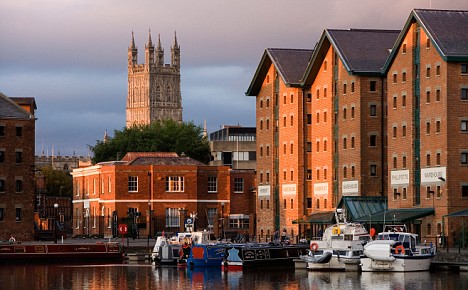
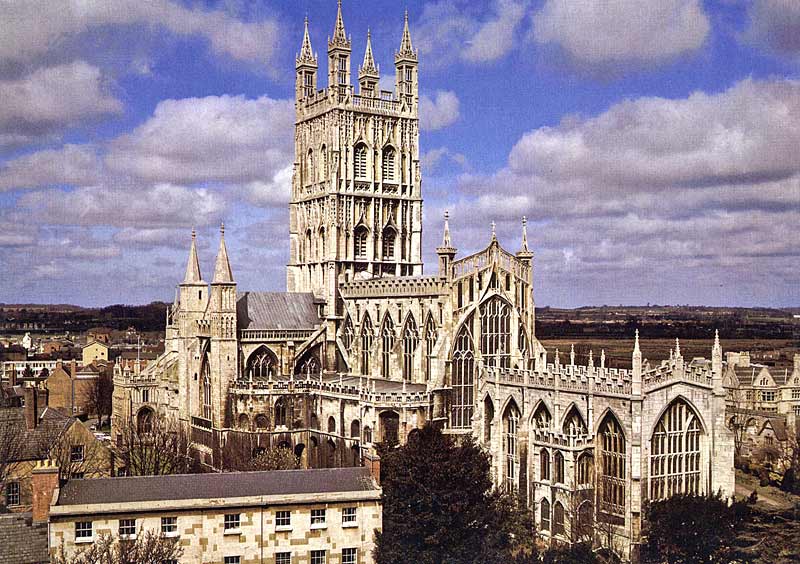
Please RT – Why Gloucester is a top 10 city for business and lifestyle

Image
Population
  • 9th fastest growing city in the UK – 1.1% annual growth (2010 population = 123,400; 2002 pop = 110,600 (12,800 increase))

Innovation

  • 6th for the most patents granted per 100,000 residents in 2012 with 8.9. Innovation is a driver of long-run economic growth. Finding new or better ways of making goods or delivering services improves the performance of businesses which in turn increases the capacity of city economies.

Employment

  • 2nd for highest employment rate with 77.8% between Jul 2012 and Jun 2013 (Ranked 12th Jul 11 – Jun 12)
  • 2nd for highest employment rate percentage point change 2011-12 to 2012-13 of 4.41
  • 9th (out of 62 cities) for having the highest private sector jobs employed by a London headquartered business at 16.5%. Emphasising the importance of London on the city’s economy

Housing

  • 2nd (out of 63 cities) for the highest housing stock growth. (% change 2011-2012 = 1.1%; Housing stock 2012 = 53,300; housing stock 2011 = 52,700; change 2011 – 2012 = 600. Among the top-placed cities, only five (Swindon, Milton Keynes, Gloucester, London, Peterborough) have experienced housing supply growth in accordance to their population growth rate
  • 21st with 2.08% for the annual mean house price growth rate 2012-13 (Mean house price 2012 = £153,700; Mean house price 2013 = £156,900; growth in mean house prices 2012-13 = £3,200)

Environment

  • 12th for the lowest CO2 emissions per capita in 2011

Well-being

  • 4th for the largest life satisfaction increase between 2011-12 and 2012-13 by 4.4% (a measure of personal well-being)

http://www.centreforcities.org/assets/files/2014/Cities_Outlook_2014.pdf

Why the visitor economy is crucial to growth in Gloucestershire


*GVA of tourism related industries1 by rural – urban LA classification, region and local authority1

Source: ONS, Annual Business Survey, data available on request: abs@ons.gov.uk

2000 – 2010

Coverage: England


GVA Millions

E06000025

South Gloucestershire

176.1

E07000078

Cheltenham

133.2

E07000079

Cotswold

88.2

E07000080

Forest of Dean

38.5

E07000081

Gloucester

110.4

E07000082

Stroud

129.3

E07000083

Tewkesbury

52.7


TOTAL (Inc S. Glos in indices)

552.3 (728.4)

https://www.gov.uk/government/statistical-data-sets/rural-statistics-local-level-data-on-tourism-gva

According to GFirst LEP

“Productivity to increase at an annual average growth rate of 2% leading to a £14.5 billion economy in 2025 (from £11.5 billion in 2007) a growth of £3 billion in 18 years”

Visit England have projected that during the same period Visitor Economy will grow nationally by annualised 5%.  In Gloucestershire this would generate an additional economic activity derived from this sector rising from £728 million in 2010 to £1.5 billion by 2025 generating  14,300 jobs (DCMS Government Tourist Policy 2011 quotes a more conservative annualised 3.5% growth rate to 2020  N.B. from 2002-2010 GVA growth rates of tourism related industries in Gloucester averaged at 7.9% per annum)


Using the same projections GVA generated by tourism in the City of Gloucester would grow from £110.4 million to £229.5 million

In 2013, the direct industry effect generated around £58bn of Gross Value Added

(GVA) or about 4.1 per cent of (expected) UK GDP. Combined with the ‘tourism

industry’ effect the contribution was just under £127bn in GVA, or 9.0 per cent of UK

GDP. In total, including all direct, indirect, and induced effects, the contribution to the

UK economy was £161bn or 11.4 per cent of UK GDP.

 Annualised growth rates % over previous year


2002

2003

2004

2005

2006

2007

2008

2009

2010

South Gloucestershire

3.9

9.4

9.1

23.5

-1.3

-18.0

29.3

-18.4

-7.6

Cheltenham

18.1

11.7

13.7

1.2

46.1

-34.1

-31.6

1.3

24.0

Cotswold

13.6

14.2

35.2

-7.5

-4.3

26.3

-40.2

-3.8

10.6

Forest of Dean

1.1

4.9

39.1

-7.5

9.3

20.5

-38.7

-19.6

52.7

Gloucester

9.7

15.9

17.9

1.6

11.2

19.5

-25.2

5.6

15.3

Stroud

3.5

19.7

32.0

-10.7

-3.9

53.6

-41.5

-20.8

131.3

Tewkesbury

14.9

5.6

20.6

12.3

0.6

25.5

-32.6

-24.0

10.2

Source: ONS, Annual Business Survey, data available on request: abs@ons.gov.uk

*GVA is the value of the sector’s output minus inputs bought from other sectors and taxes and subsidies.

Excerpts from DCMS Government Tourist Policy 2011

https://www.gov.uk/government/uploads/system/uploads/attachment_data/file/78416/Government2_Tourism_Policy_2011.pdf


Forecast Growth in Sectorial GVA 2010-2020


Obviously these projected growth rates are averages across all parts of the country, so

it’s striking that some parts of UK visitor economy are already exceeding these figures

substantially. For example Welcome To Yorkshire recorded 6.6% increases in tourism

spend during 2008, and 10% growth in visitor numbers in 2009 too.  In the current

economic climate, with growth an essential element of the Government’s strategy to

repair the national balance sheet, these performances make the tourism sector a

particularly important part of the UK economy.


Tourism’s Potential For Growth


The tourism industry has the potential to become one of the fastest growing sectors of

our economy. But creating – and sustaining – these higher rates of wealth and job

creation won’t just happen automatically: it will need plenty of hard work and

entrepreneurialism from the sector itself, and help from the Government to remove the

structural problems and blockages which might slow the industry down

Link to Deloitte and Coventry university Research papers on economic Impact of Hosting Rugby World Cup

www.deloitte.com/assets/Dcom-UnitedKingdom/Local Assets/Documents/UK_SBG_IRB2008.pdf.

Click to access RWC-ec-report.pdf

It is anticipated that the stadiums will be full to around 84% capacity, which is consistent with the levels seen at previous events. Games from the knockout stages would be expected to attract larger crowds.

Why the visitor economy is crucial to growth of the economy in Gloucestershire

Image 

*GVA of tourism related industries1 by rural – urban LA classification, region and local authority1

Source: ONS, Annual Business Survey, data available on request: abs@ons.gov.uk

2000 – 2010

Coverage: England


GVA Millions

E06000025

South Gloucestershire

176.1

E07000078

Cheltenham

133.2

E07000079

Cotswold

88.2

E07000080

Forest of Dean

38.5

E07000081

Gloucester

110.4

E07000082

Stroud

129.3

E07000083

Tewkesbury

52.7


TOTAL (Inc S. Glos in indices)

552.3 (728.4)


According to GFirst LEP

“Productivity to increase at an annual average growth rate of 2% leading to a £14.5 billion economy in 2025 (from £11.5 billion in 2007) a growth of £3 billion in 18 years”

Visit England have projected that during the same period Visitor Economy will grow nationally by annualised 5%.  In Gloucestershire this would generate an additional economic activity derived from this sector rising from £728 million in 2010 to £1.5 billion by 2025 generating  14,300 jobs (DCMS Government Tourist Policy 2011 quotes a more conservative annualised 3.5% growth rate to 2020)


Using the same projections GVA generated by tourism in the City of Gloucester would grow from £110.4 million to £229.5 million

N.B. from 2002-2010 GVA growth rates of tourism related industries in Gloucester averaged at 7.9% per annum

In 2013, the direct industry effect generated around £58bn of Gross Value Added

(GVA) or about 4.1 per cent of (expected) UK GDP. Combined with the ‘tourism

industry’ effect the contribution was just under £127bn in GVA, or 9.0 per cent of UK

GDP. In total, including all direct, indirect, and induced effects, the contribution to the

UK economy was £161bn or 11.4 per cent of UK GDP.


2002

2003

2004

2005

2006

2007

2008

2009

2010

South Gloucestershire

3.9

9.4

9.1

23.5

-1.3

-18.0

29.3

-18.4

-7.6

Cheltenham

18.1

11.7

13.7

1.2

46.1

-34.1

-31.6

1.3

24.0

Cotswold

13.6

14.2

35.2

-7.5

-4.3

26.3

-40.2

-3.8

10.6

Forest of Dean

1.1

4.9

39.1

-7.5

9.3

20.5

-38.7

-19.6

52.7

Gloucester

9.7

15.9

17.9

1.6

11.2

19.5

-25.2

5.6

15.3

Stroud

3.5

19.7

32.0

-10.7

-3.9

53.6

-41.5

-20.8

131.3

Tewkesbury

14.9

5.6

20.6

12.3

0.6

25.5

-32.6

-24.0

10.2

Source: ONS, Annual Business Survey, data available on request: abs@ons.gov.uk

*GVA is the value of the sector’s output minus inputs bought from other sectors and taxes and subsidies.

Excerpts from DCMS Government Tourist Policy 2011

https://www.gov.uk/government/uploads/system/uploads/attachment_data/file/78416/Government2_Tourism_Policy_2011.pdf


Forecast Growth in Sectorial GVA 2010-2020


Obviously these projected growth rates are averages across all parts of the country, so

it’s striking that some parts of UK visitor economy are already exceeding these figures

substantially. For example Welcome To Yorkshire recorded 6.6% increases in tourism

spend during 2008, and 10% growth in visitor numbers in 2009 too.  In the current

economic climate, with growth an essential element of the Government’s strategy to

repair the national balance sheet, these performances make the tourism sector a

particularly important part of the UK economy.


3.3 Tourism’s Potential For Growth


The tourism industry has the potential to become one of the fastest growing sectors of

our economy. But creating – and sustaining – these higher rates of wealth and job

creation won’t just happen automatically: it will need plenty of hard work and

entrepreneurialism from the sector itself, and help from the Government to remove the

structural problems and blockages which might slow the industry down