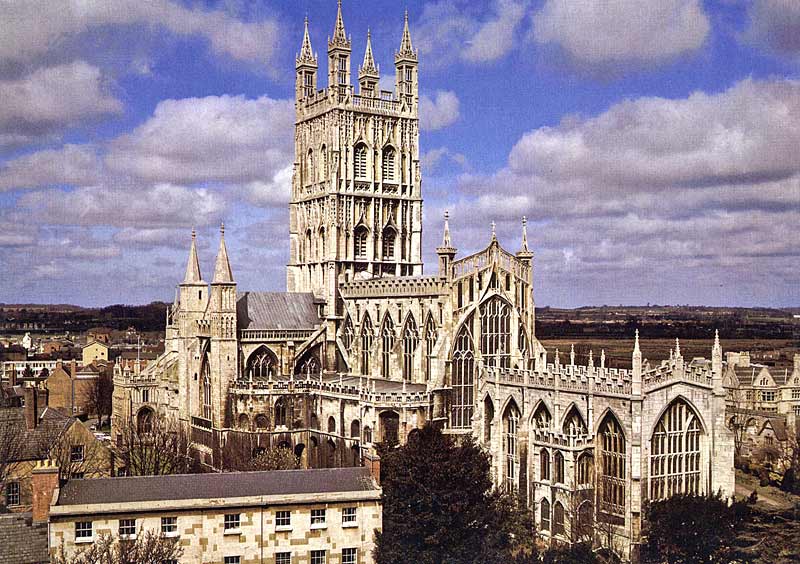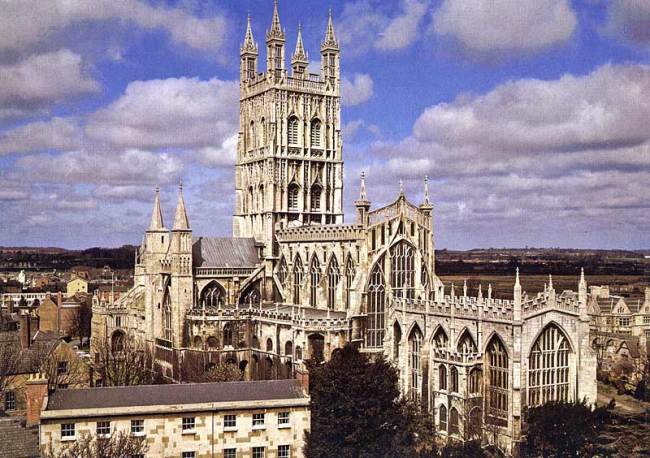
Please RT – Why Gloucester is a top 10 city for business and lifestyle

Image
Population
  • 9th fastest growing city in the UK – 1.1% annual growth (2010 population = 123,400; 2002 pop = 110,600 (12,800 increase))

Innovation

  • 6th for the most patents granted per 100,000 residents in 2012 with 8.9. Innovation is a driver of long-run economic growth. Finding new or better ways of making goods or delivering services improves the performance of businesses which in turn increases the capacity of city economies.

Employment

  • 2nd for highest employment rate with 77.8% between Jul 2012 and Jun 2013 (Ranked 12th Jul 11 – Jun 12)
  • 2nd for highest employment rate percentage point change 2011-12 to 2012-13 of 4.41
  • 9th (out of 62 cities) for having the highest private sector jobs employed by a London headquartered business at 16.5%. Emphasising the importance of London on the city’s economy

Housing

  • 2nd (out of 63 cities) for the highest housing stock growth. (% change 2011-2012 = 1.1%; Housing stock 2012 = 53,300; housing stock 2011 = 52,700; change 2011 – 2012 = 600. Among the top-placed cities, only five (Swindon, Milton Keynes, Gloucester, London, Peterborough) have experienced housing supply growth in accordance to their population growth rate
  • 21st with 2.08% for the annual mean house price growth rate 2012-13 (Mean house price 2012 = £153,700; Mean house price 2013 = £156,900; growth in mean house prices 2012-13 = £3,200)

Environment

  • 12th for the lowest CO2 emissions per capita in 2011

Well-being

  • 4th for the largest life satisfaction increase between 2011-12 and 2012-13 by 4.4% (a measure of personal well-being)

http://www.centreforcities.org/assets/files/2014/Cities_Outlook_2014.pdf

Why the visitor economy is crucial to growth in Gloucestershire


*GVA of tourism related industries1 by rural – urban LA classification, region and local authority1

Source: ONS, Annual Business Survey, data available on request: abs@ons.gov.uk

2000 – 2010

Coverage: England


GVA Millions

E06000025

South Gloucestershire

176.1

E07000078

Cheltenham

133.2

E07000079

Cotswold

88.2

E07000080

Forest of Dean

38.5

E07000081

Gloucester

110.4

E07000082

Stroud

129.3

E07000083

Tewkesbury

52.7


TOTAL (Inc S. Glos in indices)

552.3 (728.4)

https://www.gov.uk/government/statistical-data-sets/rural-statistics-local-level-data-on-tourism-gva

According to GFirst LEP

“Productivity to increase at an annual average growth rate of 2% leading to a £14.5 billion economy in 2025 (from £11.5 billion in 2007) a growth of £3 billion in 18 years”

Visit England have projected that during the same period Visitor Economy will grow nationally by annualised 5%.  In Gloucestershire this would generate an additional economic activity derived from this sector rising from £728 million in 2010 to £1.5 billion by 2025 generating  14,300 jobs (DCMS Government Tourist Policy 2011 quotes a more conservative annualised 3.5% growth rate to 2020  N.B. from 2002-2010 GVA growth rates of tourism related industries in Gloucester averaged at 7.9% per annum)


Using the same projections GVA generated by tourism in the City of Gloucester would grow from £110.4 million to £229.5 million

In 2013, the direct industry effect generated around £58bn of Gross Value Added

(GVA) or about 4.1 per cent of (expected) UK GDP. Combined with the ‘tourism

industry’ effect the contribution was just under £127bn in GVA, or 9.0 per cent of UK

GDP. In total, including all direct, indirect, and induced effects, the contribution to the

UK economy was £161bn or 11.4 per cent of UK GDP.

 Annualised growth rates % over previous year


2002

2003

2004

2005

2006

2007

2008

2009

2010

South Gloucestershire

3.9

9.4

9.1

23.5

-1.3

-18.0

29.3

-18.4

-7.6

Cheltenham

18.1

11.7

13.7

1.2

46.1

-34.1

-31.6

1.3

24.0

Cotswold

13.6

14.2

35.2

-7.5

-4.3

26.3

-40.2

-3.8

10.6

Forest of Dean

1.1

4.9

39.1

-7.5

9.3

20.5

-38.7

-19.6

52.7

Gloucester

9.7

15.9

17.9

1.6

11.2

19.5

-25.2

5.6

15.3

Stroud

3.5

19.7

32.0

-10.7

-3.9

53.6

-41.5

-20.8

131.3

Tewkesbury

14.9

5.6

20.6

12.3

0.6

25.5

-32.6

-24.0

10.2

Source: ONS, Annual Business Survey, data available on request: abs@ons.gov.uk

*GVA is the value of the sector’s output minus inputs bought from other sectors and taxes and subsidies.

Excerpts from DCMS Government Tourist Policy 2011

https://www.gov.uk/government/uploads/system/uploads/attachment_data/file/78416/Government2_Tourism_Policy_2011.pdf


Forecast Growth in Sectorial GVA 2010-2020


Obviously these projected growth rates are averages across all parts of the country, so

it’s striking that some parts of UK visitor economy are already exceeding these figures

substantially. For example Welcome To Yorkshire recorded 6.6% increases in tourism

spend during 2008, and 10% growth in visitor numbers in 2009 too.  In the current

economic climate, with growth an essential element of the Government’s strategy to

repair the national balance sheet, these performances make the tourism sector a

particularly important part of the UK economy.


Tourism’s Potential For Growth


The tourism industry has the potential to become one of the fastest growing sectors of

our economy. But creating – and sustaining – these higher rates of wealth and job

creation won’t just happen automatically: it will need plenty of hard work and

entrepreneurialism from the sector itself, and help from the Government to remove the

structural problems and blockages which might slow the industry down

Link to Deloitte and Coventry university Research papers on economic Impact of Hosting Rugby World Cup

www.deloitte.com/assets/Dcom-UnitedKingdom/Local Assets/Documents/UK_SBG_IRB2008.pdf.

Click to access RWC-ec-report.pdf

It is anticipated that the stadiums will be full to around 84% capacity, which is consistent with the levels seen at previous events. Games from the knockout stages would be expected to attract larger crowds.

Why the visitor economy is crucial to growth of the economy in Gloucestershire

Image 

*GVA of tourism related industries1 by rural – urban LA classification, region and local authority1

Source: ONS, Annual Business Survey, data available on request: abs@ons.gov.uk

2000 – 2010

Coverage: England


GVA Millions

E06000025

South Gloucestershire

176.1

E07000078

Cheltenham

133.2

E07000079

Cotswold

88.2

E07000080

Forest of Dean

38.5

E07000081

Gloucester

110.4

E07000082

Stroud

129.3

E07000083

Tewkesbury

52.7


TOTAL (Inc S. Glos in indices)

552.3 (728.4)


According to GFirst LEP

“Productivity to increase at an annual average growth rate of 2% leading to a £14.5 billion economy in 2025 (from £11.5 billion in 2007) a growth of £3 billion in 18 years”

Visit England have projected that during the same period Visitor Economy will grow nationally by annualised 5%.  In Gloucestershire this would generate an additional economic activity derived from this sector rising from £728 million in 2010 to £1.5 billion by 2025 generating  14,300 jobs (DCMS Government Tourist Policy 2011 quotes a more conservative annualised 3.5% growth rate to 2020)


Using the same projections GVA generated by tourism in the City of Gloucester would grow from £110.4 million to £229.5 million

N.B. from 2002-2010 GVA growth rates of tourism related industries in Gloucester averaged at 7.9% per annum

In 2013, the direct industry effect generated around £58bn of Gross Value Added

(GVA) or about 4.1 per cent of (expected) UK GDP. Combined with the ‘tourism

industry’ effect the contribution was just under £127bn in GVA, or 9.0 per cent of UK

GDP. In total, including all direct, indirect, and induced effects, the contribution to the

UK economy was £161bn or 11.4 per cent of UK GDP.


2002

2003

2004

2005

2006

2007

2008

2009

2010

South Gloucestershire

3.9

9.4

9.1

23.5

-1.3

-18.0

29.3

-18.4

-7.6

Cheltenham

18.1

11.7

13.7

1.2

46.1

-34.1

-31.6

1.3

24.0

Cotswold

13.6

14.2

35.2

-7.5

-4.3

26.3

-40.2

-3.8

10.6

Forest of Dean

1.1

4.9

39.1

-7.5

9.3

20.5

-38.7

-19.6

52.7

Gloucester

9.7

15.9

17.9

1.6

11.2

19.5

-25.2

5.6

15.3

Stroud

3.5

19.7

32.0

-10.7

-3.9

53.6

-41.5

-20.8

131.3

Tewkesbury

14.9

5.6

20.6

12.3

0.6

25.5

-32.6

-24.0

10.2

Source: ONS, Annual Business Survey, data available on request: abs@ons.gov.uk

*GVA is the value of the sector’s output minus inputs bought from other sectors and taxes and subsidies.

Excerpts from DCMS Government Tourist Policy 2011

https://www.gov.uk/government/uploads/system/uploads/attachment_data/file/78416/Government2_Tourism_Policy_2011.pdf


Forecast Growth in Sectorial GVA 2010-2020


Obviously these projected growth rates are averages across all parts of the country, so

it’s striking that some parts of UK visitor economy are already exceeding these figures

substantially. For example Welcome To Yorkshire recorded 6.6% increases in tourism

spend during 2008, and 10% growth in visitor numbers in 2009 too.  In the current

economic climate, with growth an essential element of the Government’s strategy to

repair the national balance sheet, these performances make the tourism sector a

particularly important part of the UK economy.


3.3 Tourism’s Potential For Growth


The tourism industry has the potential to become one of the fastest growing sectors of

our economy. But creating – and sustaining – these higher rates of wealth and job

creation won’t just happen automatically: it will need plenty of hard work and

entrepreneurialism from the sector itself, and help from the Government to remove the

structural problems and blockages which might slow the industry down
LEP Overlaps – what are they good for?

Comments from Guy Lachlan, Owner of Jones & Cocks, Non-Executive Director of Buckinghamshire Business First, Chair of the Bucks Business Group, and Vice Chair of the British Hardware Federation.

My wife and I own and operate a small retail business which is involved in the delivery of Liquid Petroleum Gas and other gases around Aylesbury Vale. It just so happens that our served area almost exactly matches the footprint of Aylesbury Vale District Council (AVDC), which has chosen to be a constituent of two adjacent LEPs – Buckinghamshire Thames Valley (BTVLEP) and South East Midlands (SEMLEP).
LEPs have been given the job to drive growth in their local areas; they are partnerships of local businesses with local authorities and other public sector bodies, and because they know their local economies well, the idea is that they can tailor services to meet local needs, and thereby drive growth.
The result of AVDCs current choice is that my business operates almost entirely in an area covered by two overlapping LEPs; one of 21 overlaps around the country which have been allowed to exist.
The role of LEPs, however, is developing and maturing and it is increasingly clear that they are going to be vital to the success of small businesses like ours. For example, they are now expected to compete against one another for a share of the Single Local Growth Fund (SLGF), as well as the strategic allocation of some EU funds based on their local growth plans.
So how will an overlap of LEPs work for small businesses?
The short answer is: I have no idea!
Presumably we, as a small business, will be expected to speak to two LEPs which may have different – even conflicting – ideas about growth in our area; there will be two different business support numbers to call for help, and two teams of people looking at the same situation from different perspectives.
And the LEPs themselves will have to waste time cross-checking with each other to make sure they are not both being asked for the same help by businesses in the overlap, and that their responses are co-ordinated to whatever extent is possible.
This situation seems unnecessarily confusing and costly – as small businesses we continually strive to eliminate duplication and streamline processes, and yet the government seems to be tolerating this new inefficiency for the time being. They summarise their position as follows:
“LEP geography is a bottom-up process, identified and decided upon by LEPs. As such, overlaps between LEPs have been accepted as long as the case was made in terms of functional economic areas and LA and private sector agreement.” (Business, Innovation and Skills Committee – Ninth Report, 23/4/13)
This seems simplistic to me. Each functional business area can easily make a case for a particular geography from their own point-of-view, but if the result of two competing LEPs’ proposals is an overlap which generates unnecessary bureaucracy and cost with no benefit to the businesses within the overlap, they should be forced to settle the overlap one way or the other.
To allow overlaps to persist seems guaranteed to delay the ability of LEPs to succeed in their role, i.e. the constructive and efficient distillation of dialogue with businesses in their patch. The issue of overlaps will have to be resolved sooner or later, and as a business within an overlap we would urge the powers that be to grasp the nettle and force a resolution so that we can move into this exciting phase of national development together.

As well as running his own small business, Guy Lachlan is a Non-Executive Director of Buckinghamshire Business First, Chair of the Bucks Business Group, and Vice Chair of the British Hardware Federation. He also sits on the South Bucks and Aylesbury FSB branch committee.

LEPs Devolution or Delegation – fascinating insight by Alex Pratt @39LEPs and @BTVLEP

Devolution or Delegation?

Minister with responsibility for LEPs Greg Clarke spoke briefly to LEPs at the recent LEP Network Conference, where he was questioned about his “Minister for Cities” title. The LEPs provided a few suggestions.  He has his work set out with the Department for Education saying it has no relevance to growth, most interventions at the level of the firm being managed centrally by BIS, and the recent Witty Review which recommends a more centralist approach to technology support, university engagement, innovation and national programmes like UKTI.

The 39 LEPs

The LEP Chairs recently met with UKTI, TSB and ADEPT. We also agreed to merge with the current LEP Network from April 2014 to create a new single collective body accountable to the LEP Chairs and joint-funded by the LEPs and Central Government.

‘Keep Turning the Stones’

After many weeks of planning, members of ADEPT’s Management Board met with representatives of the 39 LEP Chairs at the British Library earlier this month. In this magnificent building both sides reflected on the progress made since the publication late last year of Lord Heseltine’s report, ‘No Stone Unturned in Pursuit of Growth’. Lord Heseltine’s ambition was for Government to give strong support to the localism agenda, to reverse the centralising trend of the past century and unleash the dynamic potential of local economies.

There was strong agreement between the LEP business leaders and ADEPT that the £2bn being made available to LEPs in 2015/16 was not on the scale proposed by Lord Heseltine. Nor had all Government Departments welcomed letting go of budget and responsibility with open arms, and indeed a significant part of this money was already intended for local authorities anyway. We reflected there was a danger that shifting Transport and New Homes Bonus Funding from Local Authority to LEPs would not only fail to ‘unleash the dynamic potential’ of LEPs but potentially damage growing local relationships. Both sides are a pragmatic bunch though and they intend to make the best possible use of the resources coming their way in the next financial year.

Before parting it was agreed that ADEPT and the LEP Chairs would keep in touch and work jointly at the national and local level where it was mutually beneficial. The next Autumn Statement seems like a good time for us both to remind Government about the recommendations in the Heseltine Review yet to be implemented by Government. We can also share best practice across England on what works and doesn’t work when it comes to implementing LEP’s Strategic Economic Plans, as well as jointly commissioning research and policy thinking in areas of common interest. Watch this space!

To find out more about Ngage Solutions Ltd go to www.ngagesolutions.co.uk, and for ADEPT go to www.adeptnet.org.uk.


Neil Gibson is the Strategic Director at Buckinghamshire County Council, Non-Executive Director & Chairman of Ngage Solutions Ltd, and Secretary & Treasurer of ADEPT.

A list of LEPs’ draft EU Funding Strategies – see link

LEP Draft EU Strategic Investment Frameworks


http://www.dorsetlep.co.uk/news/press-releases/draft-eu-structural-and-investment-funding-strategy/

http://www.heartofswlep.co.uk/SIFfirstdraft

http://www.cornwallandislesofscillylep.com/eu-investment-strategy.html

http://www.marcheslep.org.uk/document-library/cat_view/11-marches-lep-draft-esif-strategy-2014-2020

http://www.semlep.com/eu-investment-strategy/

http://www.newanglia.co.uk/Activities/European-Investment-Strategy

http://www.blackcountrylep.co.uk/news/Draft-strategy-for-EU-investment-in-the-Black-Country

http://www.oxfordshirelep.org.uk/cms/sites/lep/files/folders/Oxfordshire_EU_SIF_FINAL_for_BIS_pdf.pdf

Summary Of Sir Andrew Witty’s report . Universities to co-chair LEPs? @The39LEPs @TheLEPNetwork #witty #LEPs

Recommendations relating to LEPs by Sir Andrew Witty:

6. LEPs have up to €1 billion of European Structural and Investment Funds to invest in innovation. They should look to direct a large share of innovation funding towards excellent universities and research centres in order to nurture sustainable growth founded in comparative advantage, including through universities supporting innovative SMEs in their localities. LEPs should do this within frameworks which relate funding to economic outcomes. They should collaborate, and support university collaborations, beyond their own areas wherever these will deliver an economic or research benefit.

 7. Ministers should write to the chairs of all LEPs with universities in their areas setting out the expectation that these LEPs should have a university presence on the Board. Where a LEP is participating in an Arrow Project led by a university in its area then it may well be appropriate for the university to provide co-chairmanship of the LEP. University members should be prominent in, and may often chair, LEPs’ Innovation or R&D and Innovation sub-committees.

8. The Government should ensure that all the funds available to LEPs to invest in Innovation and R&D are spent on these areas. It should establish an authoritative advisory capability to advise it and LEPs and other relevant decision-takers on how strongly LEP proposals are based in a sound assessment of comparative advantage, and to identify and communicate the best practice of the most effective of LEPs so that the Government and LEPs can work to bring all LEPs up to the level of the best.

Sir Andrew Witty’s Review of Universities and Growth puts a lot of onus on LEPs. All LEP Chairs should read

See link for full report.  All LEP Chairs should read.

https://www.gov.uk/government/uploads/system/uploads/attachment_data/file/249720/bis-13-1241-encouraging-a-british-invention-revolution-andrew-witty-review-R1.pdf