Sustainable Urban Regeneration: Balancing Growth and Community in the Face of Gentrification

Featured

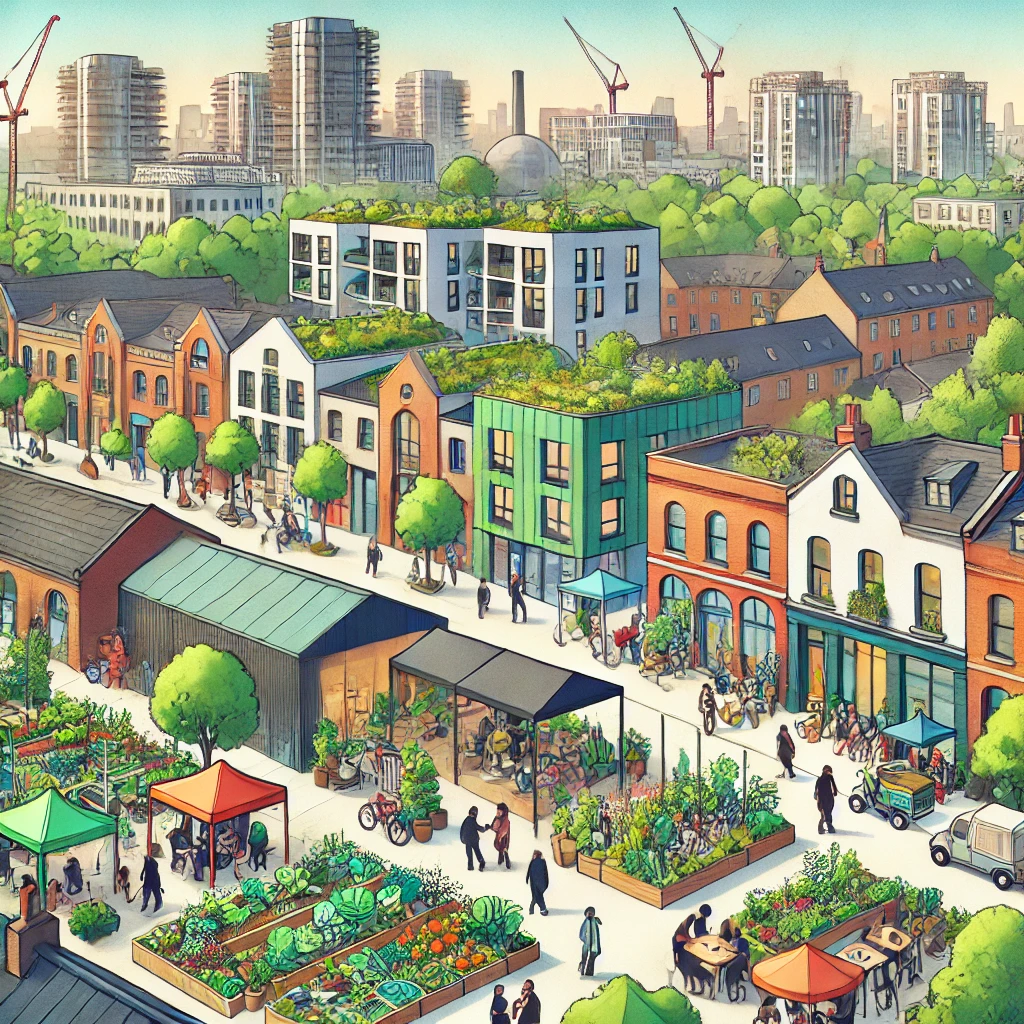
As urban centres across the UK and globally grapple with the pressures of economic growth, population change, and post-pandemic recovery, urban regeneration has emerged as a critical tool for revitalizing neglected areas. However, with regeneration often comes the looming spectre of gentrification—a process that can displace long-standing communities and erode the very cultural fabric that makes a place unique. Striking a balance between sustainable growth and the preservation of community identity is not just a challenge but a necessity for planners, local authorities, and developers.

The Double-Edged Sword of Gentrification

Gentrification, often defined as the transformation of an area through an influx of higher-income residents, can lead to improved infrastructure, increased property values, and economic rejuvenation. However, the downside is clear: as property prices rise, existing lower-income residents may find themselves priced out of the areas they’ve lived in for decades. This displacement can fracture communities, displace small businesses, and lead to a loss of local character.

Studies such as those by Lees, Slater, and Wyly (2008) suggest that gentrification often disproportionately affects marginalized groups, exacerbating social inequalities. Yet, regeneration without gentrification remains possible, provided that careful planning and inclusive strategies are implemented.

Community-Centric Regeneration: Learning from Success Stories

The challenge for urban planners and local authorities lies in developing regeneration schemes that improve the area for all its residents, not just new ones. In this context, inclusive regeneration models, which focus on both physical improvements and social sustainability, are emerging as a way to address gentrification.

One such model is the concept of Community Land Trusts (CLTs). CLTs provide a mechanism for ensuring that land remains under the control of the community, preventing the wholesale displacement of existing residents. A study by Davis (2010) found that in areas where CLTs were implemented, not only did housing remain affordable, but the communities also reported higher levels of civic engagement and satisfaction. Cities like Liverpool and Bristol have already successfully used CLTs to protect housing affordability while enabling regeneration.

Another approach is socially responsible development, where local authorities engage in genuine, bottom-up consultation with communities before breaking ground on projects. The success of the Glasgow Canal Regeneration Project is often cited as a case where community engagement helped shape development, ensuring that existing residents remained at the heart of decision-making. The result? A regenerated area where new businesses and residents coexist with long-standing communities, enhancing the local economy without displacing those who had contributed to the area’s identity for years.

Sustainability as the Core of Regeneration

Sustainability is not only about green buildings or eco-friendly public spaces; it’s about creating environments that support long-term social cohesion and economic inclusivity. Local authorities must adopt a holistic approach to regeneration that addresses housing, local jobs, cultural infrastructure, and green spaces, all while safeguarding affordability and accessibility.

“True regeneration should be based on a principle of social justice,” as urbanist Jane Jacobs famously noted. Her work underscores the importance of maintaining diverse, vibrant communities rather than focusing solely on physical renewal. Sustainable regeneration initiatives, like the one seen in the Elephant and Castle redevelopment in London, which implemented affordable housing schemes alongside new development, provide a framework for balancing growth and community needs.

The Role of Local Authorities and Developers: Collaboration is Key

For local authorities and developers, the goal should not be to prevent change but to manage it in ways that protect community interests. Here are key strategies that can help mitigate the negative effects of gentrification:

  1. Inclusive Housing Policies: Ensure a proportion of new developments include affordable housing to cater to low- and middle-income families. Policies such as “inclusionary zoning” can mandate that a percentage of new units remain below market rate. Research by the London School of Economics (2016) indicates that such policies help maintain a socio-economic mix in regenerated areas.
  2. Community Benefits Agreements (CBAs): Developers can enter into CBAs with local authorities, promising to deliver certain community benefits, such as local job creation, affordable retail spaces, or community centres. In New York, the redevelopment of the Atlantic Yards included a CBA that ensured the development provided direct benefits to residents, including affordable housing and job training programs.
  3. Participatory Planning: Engage with residents early and often to ensure their voices are heard in the planning process. According to a report by the Royal Town Planning Institute (RTPI), community participation can lead to better project outcomes, higher local support, and more socially sustainable results.

A Call to Action: Expertise in Action

The challenges of urban regeneration, particularly in balancing growth and community preservation, are significant but not insurmountable. Through careful planning, collaboration, and a commitment to social equity, local authorities and developers can deliver projects that benefit all stakeholders—old and new.

At this crucial moment in urban development, it’s imperative that cities across the UK and beyond adopt forward-thinking, inclusive, and sustainable regeneration strategies. By leveraging my expertise in placemaking, urban regeneration, and community engagement, I am equipped to help organizations navigate these challenges. Whether you’re a local authority seeking to develop a long-term regeneration plan or a developer aiming to create sustainable communities, I can provide actionable insights and strategies to ensure your project is both economically viable and socially responsible.

Let’s build places that work for everyone—together.

UK’s first Digital Retail Innovation Centre to be opened in Gloucester

Gloucestershire’s Local Enterprise Partnership, GFirst LEP have announced a funding award of £400,000 to Marketing Gloucester to open a new national centre for digital retail innovation in the city.

The UK Digital Retail innovation Centre (UK:DRIC) will be the national centre for testing and developing disruptive digital innovations that will help shape and inform the future of cities with a special focus on retail.


The centre will be:

  • The national independent centre for technology solution providers and retailers to test innovative technologies and work in partnership to enhance and develop new and possibly disruptive solutions
  • A supportive incubator and catapult for high growth new retailers, all of whom will have access to next generation technologies and methodologies and will be targeted on rapid testing of their business model and growth
  • A centre for upskilling retailers in new and developing retail technologies and methodologies
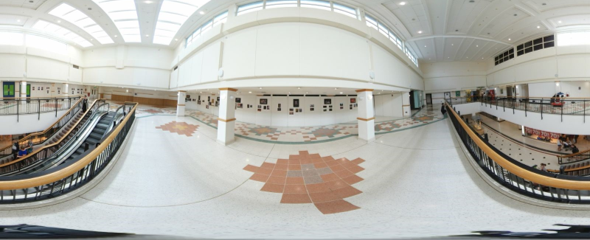
  • UK:DRIC will be based on the first floor of the Eastgate Shopping Centre in Gloucester for an initial period of three years.

Diane Savory, Chair of GFirst LEP, commented “This is an exciting opportunity for Gloucestershire as it further demonstrates that our urban areas are proving to be leaders in the developing of innovation in digital retail solutions.  We are delighted to be able to award this funding to Marketing Gloucester and confident that it will lead to further inward investment from the private and public sectors.”

UKDRIC

The UK:DRIC promises to be a showcase and testbed for the latest retail technologies and could show off some future innovations such as holographic “virtual employees”, artificial intelligence, 3D scanning and printing of products, drone deliveries, robotic security guards, 360 virtual mirrors and near field communication.


Jason Smith, Chief Executive of Marketing Gloucester (whose team will be driving the project), said “This is a huge opportunity for Gloucester to progress in our ambition to be a showcase and testbed for digital technologies, developing the city of 2050 by 2025.  There are huge challenges facing the UK retail sector and the UK Digital Retail Innovation Centre has the potential to be a gamechanger which could have a national impact, we greatly appreciate the investment from GFirst LEP.”

Paul James, Leader of Gloucester City Council, explained why this new centre was so important for the city saying: “Gloucester is ideally positioned to be a pathfinder for the

development of new technologies, the past few years companies we have shown how innovative we as a city can be.  We were the first city to implement the three in one CCTV, Wifi and 4G solution, winning the prestigious Gordon McLanaghan Security Innovation Award; and have built up a wide range of partners such as Google’s Niantic Labs, #WDYT, Rewarding Visits and BT who have tested their technologies in the city.  There is huge potential for additional inward investment and additional jobs and this investment from GFirst LEP can act as a catalyst.”


The FACTS on Gloucester’s retail landscape since 2010 – 40% fewer empty shops!

In light of the recent article on Gloucestershire Live and some of the subsequent comments the following will be useful in setting the matters straight – demonstrating that the true story of Gloucester’s retail environment has been one of steady improvement and success over the last 7 years:

It is true that the city has gone through difficult times.  In 2010 the BBC reported on data issued by The Local Data company that stated that Gloucester had amongst the highest number of empty shops in the UK http://www.bbc.co.uk/news/uk-england-gloucestershire-11925423 . The city’s retail vacancy rate in 2010 was recorded at a high 21%.

Since then a lot has changed.  Millions of pounds have been invested in city regenertaion and a strategy was formulated and action taken to stimulate growth, with the city council high street initiatives providing funding and rate rebates to new businesses.  Funding has been put aside for grants to enable renovation of the city’s historic shops and investment continues to be made in Marketing Gloucester to help deliver footfall driving events and promote the city, something that has been highly effective with visitor numbers increasing by over 60% since 2013.

From 2010 to today there has been a 40% reduction in the number of empty shops

Today the retail vacancy rate for the whole city is 11.6% with Retail vacancy rate for the four Gate streets, Kings Square and the historic central Gloucester having fallen to 12.4% – this is almost exactly the same as the current national average for retail vacancy rates which is 12.3%.  By any measurement this is a success story.

Central Gloucester

Currently, Gloucester Quays, the Business Engagement team at Marketing Gloucester and the city council are receiving high levels of inquiries from national and local organisations who wish to follow the example of TK Maxx , Ted Baker and Cote Brasserie whose research has shown Gloucester as and ideal place to locate.   There has also been a crop of independent businesses starting up or expanding in the city.  There are many more ready to invest in the beautiful historic city.

The failing of Argos, BHS and a small Coop shop should not be seen as harbingers of doom for the city but are merely reflections of national retailers with failed models of operating or those seeking to change their operating practice.

The current successes though are likely to be nothing compared to those that are ahead in the bright future for the city.  There are currently massive regeneration projects going on around the city that will further stimulate growth. In 2016 Gloucester’s population overtook that of Cheltenham and is set to continue to rise, this  in itself will stimulate the retail sector further and lead to lower vacancies, as will the location of thousands of students to Gloucester by the University of Gloucester.

Yes the FACTS on Gloucester’s retail landscape since 2010 – show 40% fewer empty shops with plenty or reasons to believe that the improvement will continue.


Regards

A chance for #Gloucester! Ideas for a new vernacular architecture.

Developing a new vernacular for the city of Gloucester

For those involved in the regeneration of the Cathedral city of Gloucester there are few, if any who would deny that the city is “on the up”. Economic indicators show that this is a city that is growing at a region beating pace. As a city, Gloucester finally seems to have its ducks in a row regarding the pieces of regeneration that need to be undertaken to complete the incredible transformation that we can see significantly completed at the Quays and Docks. Money has been committed to the development of Blackfriars Quarter, Barbican and Quayside with a start date scheduled for the first ground clearance and the former Prison is ready to be developed. Money has been committed, assets purchased and architects appointed for the bus station in Kings Quarter. Development of an iconic multi-use venue located at Southgate moorings has been muted and if realised would fill the much maligned “missing link” between Gate streets and the redeveloped Quays.

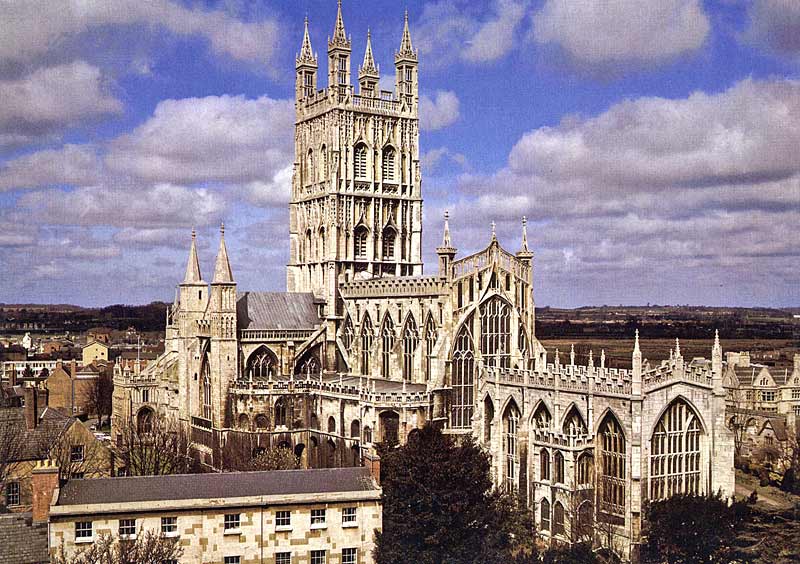
GlooucesterCathedral

All of these are exciting projects behind which there is a head of steam, but maybe now – before we start sending in the excavators – is the time that we should pause and examine exactly what we want to see at these locations and what the city needs in order to fulfil the needs and aspirations of the current population and to overcome the barriers to growth for Gloucester becoming a “complete” city.

Although there can be much debate as to what type of development should be where – residential, hotels, leisure, cultural facilities and so-on the purpose of this article is not to consider the type of development but to discuss whether before we run headlong at our new regeneration projects we should not first try and establish how we want these to look.

Gloucester has been presented with a once in a life time opportunity to define the look and feel of the city. The major redevelopments will be positioned at points in the city where they will make a statement. The question we must ask ourselves is what do we want that statement to be?

My view is that it is now that we should be looking to develop guidelines for a new vernacular architecture for Gloucester – and one that directly speaks to the heart of the residents of the city and will continue to build on what makes this city unique. For too long major developments have been imposed on the city in a watered down homogenous form that at best pays lip service to place.

In developing this new vernacular architecture we need to answer two questions – what are we hoping to achieve by this and what will be its influences and points of reference.

By developing a new vernacular, planners, influencers and visionaries in Gloucester have a chance to help define what Gloucester is both to its citizens and to the wider world. By promoting this new vernacular in iconic keystone developments there is an opportunity to develop the sense of place and civic pride that is needed by every thriving city which aims to grow.

So what should the new vernacular reference? In many cities and towns this might seem a difficult question and possibly even in Gloucester where over the 2000 years of history there have been a wide range of architectural influences and materials. These include buildings constructed from the remains of the Roman and later Anglo-Saxon fortifications, fine timber framed buildings such as The New Inn and 26 Westgate, Regency, and red brick within the industrial dock areas and Victorian and Edwardian suburbs.

Yet alongside of all of these – none of which is peculiarly home grown – in Gloucester there is a piece of architecture that already is defined by and defines the city. This piece of architecture was created by local craftsmen using local materials and using locally developed new forms and techniques which were years ahead of their contemporaries. It is a building that has influenced many other significant buildings in the city’s history and worldwide. This building is the beautiful, iconic Abbey of St Peters otherwise known as Gloucester Cathedral.

This is the building that I believe should be the touchstone for developing the new vernacular for Gloucester. Without being recidivist we should be looking to develop an architectural pallet of materials and design themes that will enable visitors and locals alike to identify the new developments as being uniquely Gloucester. There are three, possibly four influences that I believe any architect seeking to produce civic architecture that truly references Gloucester should refer to. These are as follows.

  • Perpendicular Gothic[1]
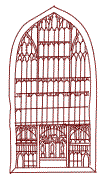
  • Large glass windows subdivided geometrically
  • Limestone
  • Fan Vaulting

perpendicular-window

Imagine developments such as the new bus station, Kings Quarter and a beautiful iconic multi-use cultural center on Southgate moorings which whilst refraining from cliché nevertheless reference and reinterpret the soaring and elegant perpendicular gothic arch, large glass windows divided geometrically and reflecting and empahasising colour and utilised the warm cotswold colours the people of Gloucester identify with the building which defines the city. This is the opportunity.

The politicians and planners of Gloucester have the chance now to demonstrate a genuine vision for the city of Gloucester, one that is not a watered down, pastiched version of internationalist modernism but one born of Gloucester and one that will make the people of Gloucester prouder still of their home city. Any architect involved in this project should try to get under the skin of the identity of the city and its citizens and aim to present architectural that will truly inspire the next generations, following the spirit of those who design the Cathedral and aiming to design something that is not just of 2015 but buildings that will not date but will  have a timeless quality and still have relevance in 100 or 200 years.


[1] http://www.britainexpress.com/architecture/perpendicular.htm